Popular: tissue packing machinetoilet roll wrapping machinefacial tissue machinediaper bagging machine
China’s tissue sector is expanding, but machine selection still demands careful scrutiny. The China Paper Association’s 2023 annual report recorded 127.05 million tonnes of paper and paperboard production nationwide. This figure covers many paper grades; it is not a tissue-machine sales statistic. That distinction matters. Tissue producers need equipment matched to furnish, basis weight, operating speed, energy use, and finished-sheet quality.
A Tissue Paper Machine is more than a large steel frame. Operators watch pulp consistency, drying cylinders, creping blades, and winding tension across every shift. These details affect softness, strength, downtime, and output. Paper-science scholar Dr. Martin A. Hubbe has written about how fiber properties and papermaking processes influence paper performance. The following summary is a paraphrase of that technical perspective, not a direct quotation: “Machine performance depends on how materials and process conditions work together.” That is a useful lens for comparing Chinese manufacturers. Still, it does not replace mill trials or verified specifications.
This guide examines manufacturers through product range, engineering capability, customization, service support, and documented operating references. Company claims deserve checks. Ask for comparable production data, not only brochure speeds. A fast machine can look impressive. Yet energy consumption, grade changes, and local spare-parts access may matter more over years of operation. Some public information is incomplete, so buyers should verify it directly before making decisions.
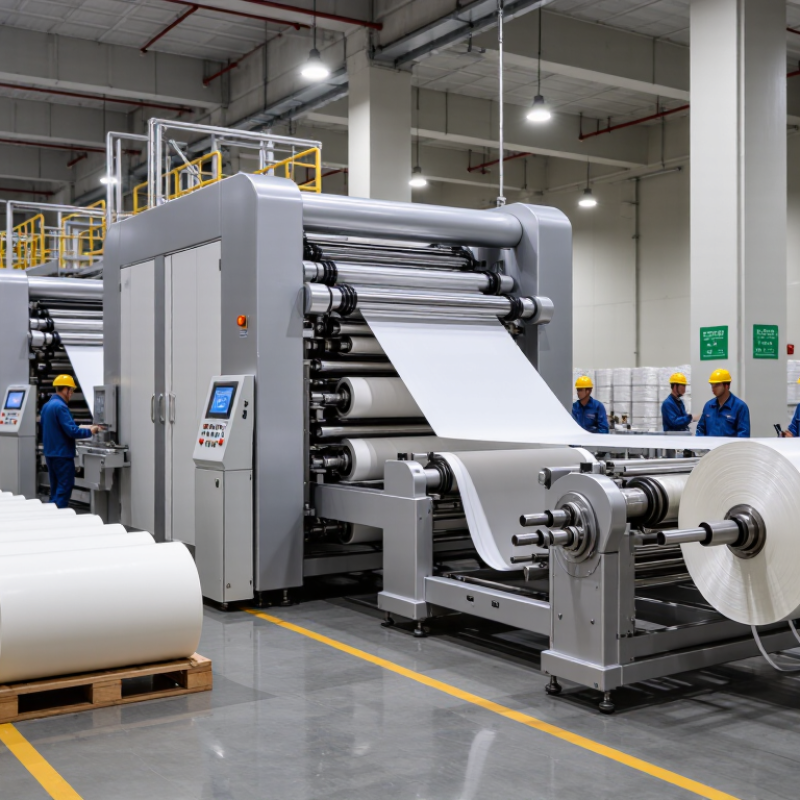
Tissue paper machines transform prepared pulp into thin, absorbent sheets for facial tissues, napkins, and household rolls. A diluted pulp mixture spreads across a moving forming fabric. Water drains away, leaving a fragile wet web. It is delicate.
Pressing and drying remove more moisture while helping preserve softness and bulk. Many machines use a heated Yankee cylinder and a hot-air hood for drying. Operators adjust pulp consistency, machine speed, and temperature to maintain even formation. Small changes can affect strength, thickness, and surface feel.
At the reel, the dried sheet winds into a large parent roll, which is later converted into smaller products. Machine design influences output, energy use, and the range of grades a mill can make. Yet equipment alone does not ensure consistent paper. Fiber quality, water conditions, maintenance, and operator judgment all matter.
A practical check is to compare samples from different points across the sheet; uneven edges may reveal a process issue. No setting is perfect for every pulp mix. Mills sometimes trade softness for strength, and that compromise deserves careful review.
Designing a tissue paper machine begins with the intended product: facial tissue, napkins, or soft bathroom rolls. Chinese manufacturers typically discuss sheet width, target basis weight, production speed, and available fiber before fixing the machine layout. These choices affect the forming section, drying capacity, and reel dimensions. Small changes matter.
Engineers translate those requirements into connected systems. Pulp preparation controls fiber consistency before stock reaches the headbox. On the forming section, water drains through a moving wire as the sheet takes shape. Pressing removes more water, while a heated Yankee cylinder dries the web. A creping blade then gives the tissue its characteristic softness and bulk. The reel winds the finished sheet for later converting. Sensors and control panels help operators monitor speed, tension, and moisture, though experienced operators still make adjustments by watching the sheet.
Building the machine involves more than assembling large steel frames. Fabricators machine rolls to tight tolerances, check alignment, and inspect welds before installation. During commissioning, teams may run water and pulp through the line, test safety interlocks, and correct vibration or uneven winding. Details can be less polished than a drawing suggests. A layout that saves floor space may complicate maintenance access, so buyers should ask how crews will reach bearings, blades, and wash-up points. Performance claims also need context: furnish, operating conditions, and maintenance can change actual output.
Tissue machine configurations are selected to suit the grades they will produce. These indicative basis-weight ranges show typical design considerations for common tissue products; actual specifications vary with product requirements, furnish, and converting processes.
Top Tissue Paper Machine Manufacturers in China
Key Features That Distinguish Leading Chinese Manufacturers
China Paper Association’s 2023 annual report recorded 129.65 million tonnes of paper and paperboard production nationwide. That scale supports a broad machinery supply chain, but output alone does not prove equipment quality. Buyers should compare documented tissue-machine performance: operating speed, usable width, energy per tonne, and sheet-break frequency. Ask for production records on grades similar to yours, not just a peak-speed figure. Numbers need context.
Leading manufacturers design for stable, repeatable production. Look for precise basis-weight control, even moisture across the web, and dependable creping systems. These affect softness, strength, and roll consistency. A small moisture variation can create visible differences between the edges and center of a sheet. No machine is perfect. Strong suppliers explain likely limits and show how operators can adjust settings during grade changes.
Serviceability also separates capable manufacturers from impressive showrooms. Check whether wear parts are readily available, electrical controls allow useful fault diagnostics, and technicians can support commissioning and operator training. Request acceptance-test data, including output, energy use, and finished-product quality under agreed conditions. TAPPI test methods can help standardize tissue measurements, but buyers should confirm the exact procedures used. A polished brochure is not a production trial. Insist on seeing a comparable line run.
| Evaluation Dimension | What to Check | Reliable Evidence or Industry Context | Why It Matters |
|---|---|---|---|
| Product Range | Machine configurations for toilet tissue, facial tissue, napkins, and other tissue grades. | Request a grade-by-grade specification sheet covering forming section, press configuration, drying arrangement, and reel dimensions. | A suitable configuration depends on the finished product, target quality, raw material, and mill operating plan. |
| Basis-Weight Flexibility | Supported operating range and stability when changing between tissue grades. | Many tissue products fall broadly within about 13–40 g/m²; the practical range depends on the machine design and product specification. | Stable operation across the required range can reduce production interruptions and help meet different market requirements. |
| Production Performance | Guaranteed speed, saleable output, and operating efficiency for the proposed grade and furnish. | Compare guarantees under clearly stated conditions, including basis weight, trim width, furnish, moisture, and annual operating hours. | Headline machine speed alone does not establish achievable saleable production or long-term performance. |
| Energy and Water Use | Specific energy and water consumption, with the measurement boundary clearly defined. | Ask for consumption figures per tonne of finished paper and clarify whether they include stock preparation, vacuum systems, and auxiliaries. | Consistent measurement boundaries make proposals easier to compare and help estimate ongoing operating costs. |
| Automation and Controls | Instrumentation, process control, quality monitoring, alarms, and data access. | Review the control-system scope, key measurement points, operator functions, and documented support for fault diagnosis. | Appropriate controls support repeatable operation, faster troubleshooting, and better visibility of process conditions. |
| Reel and Web Quality | Uniformity, moisture profile, reel build, and the machine’s ability to meet agreed product specifications. | Request acceptance-test methods and sample quality data for a comparable grade, with test conditions and tolerances stated. | Consistent parent reels support converting performance and help limit downstream breaks and trim loss. |
| Customization and Integration | Adaptation to site utilities, building layout, raw-material preparation, and downstream converting equipment. | Confirm the battery limits, utility requirements, interface list, layout drawings, and responsibility for each connected system. | Clear integration planning reduces scope gaps during engineering, installation, and commissioning. |
| Installation and Commissioning | Site supervision, commissioning plan, operator training, and performance-test support. | Request a written schedule that identifies customer responsibilities, required site readiness, training scope, and test criteria. | Well-defined commissioning support helps the mill progress from mechanical completion to stable production. |
| Spare Parts and Service | Recommended spare-parts list, delivery arrangements, remote assistance, and service coverage. | Check parts documentation, expected lead times, service channels, and the availability of technical support for the installed configuration. | Practical support arrangements can reduce the impact of maintenance needs and unexpected equipment downtime. |
| Documentation and Compliance | Equipment drawings, manuals, safety information, and applicable project-specific compliance documentation. | Confirm the documentation language, applicable standards, inspection records, and required certifications in the contract scope. | Complete documentation supports safe operation, maintenance planning, and project handover. |
Comparison note: Machine performance and utility consumption depend on the selected configuration, furnish, product grade, site conditions, and operating practices. Compare suppliers using written guarantees with the same test conditions and clearly defined scope.
Comparing tissue machines means looking beyond the quoted speed. The China Paper Association’s 2023 industry report records approximately 12.6 million tonnes of tissue paper production in China. That scale supports demand for both high-volume lines and flexible equipment serving varied grades. Crescent-former machines are common for conventional tissue production, combining forming and dewatering in a compact layout. Conventional Yankee drying suits many bathroom-tissue and towel grades. Through-air-dried systems can produce bulkier, softer sheets, but their higher energy demand needs careful evaluation. Softness matters. So does the power bill.
A useful comparison starts with saleable tonnes per day, not headline speed alone. Ask suppliers to state assumptions for basis weight, web width, trim loss, uptime, and furnish. A line rated for one grade may deliver less when operators switch products or manage breaks. That detail is easy to miss. Review energy use, sheet moisture, parent-roll quality, automation, and the time required for grade changes. Request trial data using the intended pulp mix, then compare results under matching conditions. I would treat any capacity promise cautiously unless its operating assumptions are clear. Even a fast machine can disappoint when converting needs, maintenance access, or local energy costs were overlooked.
Top Tissue Paper Machine Manufacturers in China
How to Evaluate and Select a Chinese Tissue Paper Machine Manufacturer
Start with the tissue you need to make, not the machine’s headline speed. Define sheet width, basis weight, ply count, and expected daily output. Ask how the proposed line performs with your pulp mix and target product. Paper tells the story. Request test data from comparable operating conditions, not just a brochure figure.
During a factory visit, inspect the forming section, press, dryer, rewinder, and control system. Look for clean cable routing, accessible maintenance points, and guards that allow safe routine checks. Ask to see a machine running, then note vibration, noise, web breaks, and finished-roll consistency. Ask for proof. Also clarify what commissioning includes, how operators receive training, and which wear parts are stocked locally. A low purchase price can become expensive if support is slow.
Check references from mills producing similar grades and at a comparable scale. Ask about actual output, downtime, energy use, and how quickly technical problems were resolved. Compare guarantees in writing, including performance conditions and exclusions. Details matter. I would not treat the fastest quoted speed as the best choice; that can be an easy mistake. Specifications can look precise while leaving practical questions unanswered. Keep a record of open points, and have an independent process engineer review the offer before signing.
It turns prepared pulp and water into thin, absorbent sheets. The sheet is dried and wound into a parent roll for later converting.
A moving forming fabric drains water from diluted pulp. Pressing, a heated Yankee cylinder, and a creping blade help create dryness, softness, and bulk. Simple, but not effortless.
Specify sheet width, basis weight, ply count, daily output, and available fiber. These details affect the forming section, dryer capacity, and reel size.
They monitor pulp consistency, machine speed, temperature, tension, and moisture. Compare samples across the sheet; uneven edges may reveal a process issue. Small changes matter.
Watch the machine running. Check vibration, noise, web breaks, and finished-roll consistency. Inspect cable routing, safety guards, and access to bearings and blades.
Actual output depends on pulp furnish, operating conditions, and maintenance. Ask for test data from comparable conditions, not just a brochure figure. Speed can mislead.
Clarify commissioning, operator training, locally stocked wear parts, and response times for technical problems. Put performance guarantees, conditions, and exclusions in writing.
It may save floor space but make bearings or wash-up points hard to reach. Ask maintenance crews to check access before installation. Easy to overlook.
This article explores the role of the Tissue Paper Machine in turning pulp and recycled fiber into soft, absorbent paper products. It explains how Chinese manufacturers approach machine design and construction, balancing production needs with practical considerations such as efficiency, reliability, ease of operation, and maintenance. It also outlines the features that can distinguish leading manufacturers, including engineering expertise, quality control, customization options, and after-sales support.
The article compares machine types, production capacities, and technologies to show how different configurations suit different output goals and product requirements. It also offers a practical framework for evaluating potential manufacturers, encouraging buyers to consider specifications, manufacturing experience, service capabilities, and long-term operating costs. By weighing these factors against their production plans, readers can make a more informed choice when selecting a suitable machine and supplier.