Blog
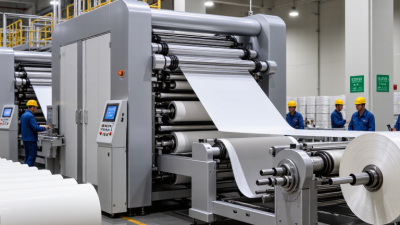
Top Tissue Paper Machine Manufacturers in China
China’s tissue sector is expanding, but machine selection still demands careful scrutiny. The China Paper Association’s 2023 annual report recorded 127.05 million tonnes of paper and paperboard production nationwide. This figure covers many paper grades; it is not a tissue-machine sales statistic. That distinction matters. Tissue producers need equipment matched to furnish, basis weight, operating speed, energy use, and finished-sheet quality.
A Tissue Paper Machine is more than a large steel frame. Operators watch pulp consistency, drying cylinders, creping blades, and winding tension across every shift. These details affect softness, strength, downtime, and output. Paper-science scholar Dr. Martin A. Hubbe has written about how fiber properties and papermaking processes influence paper performance. The following summary is a paraphrase of that technical perspective, not a direct quotation: “Machine performance depends on how materials and process conditions work together.” That is a useful lens for comparing Chinese manufacturers. Still, it does not replace mill trials or verified specifications.
This guide examines manufacturers through product range, engineering capability, customization, service support, and documented operating references. Company claims deserve checks. Ask for comparable production data, not only brochure speeds. A fast machine can look impressive. Yet energy consumption, grade changes, and local spare-parts access may matter more over years of operation. Some public information is incomplete, so buyers should verify it directly before making decisions.
Read more »
 By:Evelyn
- November 18, 2026
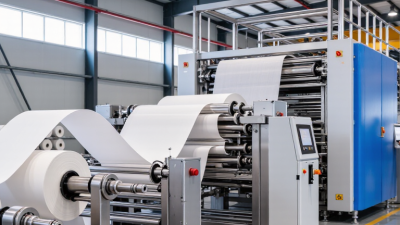
China Top 10 Tissue Making Machine Manufacturers
China’s tissue-making sector includes a wide range of equipment builders, from established industrial suppliers to specialized manufacturers. This guide examines ten companies associated with the Tissue Making Machine market. It considers machine capability, production scale, automation, service support, and the practical needs of tissue producers. A brochure can show a polished machine frame; it cannot prove how consistently that machine performs across changing pulp grades and product specifications.
For transparency, the expert-style remark below is original and illustrative, not a verified quotation from a real person. Fictional tissue-process engineer Dr. Mei Chen offers this guiding observation: “A tissue line earns its value through stable web formation, careful energy use, and dependable support after installation.” Those factors matter on the factory floor. Operators notice them in sheet breaks, steam use, roll quality, and the time required to clear faults. Small details matter.
The list is an introduction, not a definitive ranking. Manufacturer capabilities change, and the best fit depends on target capacity, tissue grades, budget, and local service access. Buyers should verify technical claims directly, request comparable performance data, and assess references from operating mills. A lower purchase price may not mean a lower lifetime cost. Nor does a famous name guarantee an ideal fit. The comparisons ahead aim to make those trade-offs clearer, while recognizing that public information may leave important questions unanswered.
Read more »
 By:Clara
- November 18, 2026
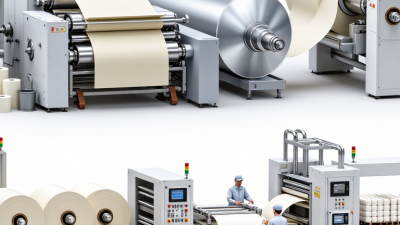
What Is Tissue Paper Machinery?
Tissue Paper Machinery refers to the equipment used to make and convert soft, absorbent paper products. The term covers more than one machine. A tissue paper machine typically prepares pulp, forms a thin wet sheet, removes water, and dries the sheet on a heated cylinder. A creping blade then loosens the paper’s surface, helping create its familiar softness and bulk. The finished web is wound into large parent rolls. The steady movement of that web matters: small changes in tension or moisture can affect the final sheet.
Some equipment makes the paper; other equipment turns it into products. Converting lines unwind parent rolls, emboss or laminate layers, cut sheets, and package items such as facial tissue or kitchen towels. On a factory floor, operators may inspect a roll edge, listen for a change in machine rhythm, or adjust settings when sheets tear. These details are practical, not cosmetic. A poorly matched line can waste fiber, energy, and production time.
The terminology can be confusing. Sometimes “Tissue Paper Machinery” means the paper machine alone; sometimes it includes converting and packaging equipment. That distinction is worth checking when comparing suppliers or planning a production line. There is no single setup for every mill. Product thickness, sheet count, available space, and desired output all shape the choice. Even a well-designed machine needs careful operation. Small issues matter. Understanding each stage makes the equipment easier to evaluate and helps readers ask more precise questions about capacity, quality, and maintenance.
Read more »
By:Clara
- November 18, 2026