Popular: tissue packing machinetoilet roll wrapping machinefacial tissue machinediaper bagging machine
Tissue Paper Machinery refers to the equipment used to make and convert soft, absorbent paper products. The term covers more than one machine. A tissue paper machine typically prepares pulp, forms a thin wet sheet, removes water, and dries the sheet on a heated cylinder. A creping blade then loosens the paper’s surface, helping create its familiar softness and bulk. The finished web is wound into large parent rolls. The steady movement of that web matters: small changes in tension or moisture can affect the final sheet.
Some equipment makes the paper; other equipment turns it into products. Converting lines unwind parent rolls, emboss or laminate layers, cut sheets, and package items such as facial tissue or kitchen towels. On a factory floor, operators may inspect a roll edge, listen for a change in machine rhythm, or adjust settings when sheets tear. These details are practical, not cosmetic. A poorly matched line can waste fiber, energy, and production time.
The terminology can be confusing. Sometimes “Tissue Paper Machinery” means the paper machine alone; sometimes it includes converting and packaging equipment. That distinction is worth checking when comparing suppliers or planning a production line. There is no single setup for every mill. Product thickness, sheet count, available space, and desired output all shape the choice. Even a well-designed machine needs careful operation. Small issues matter. Understanding each stage makes the equipment easier to evaluate and helps readers ask more precise questions about capacity, quality, and maintenance.
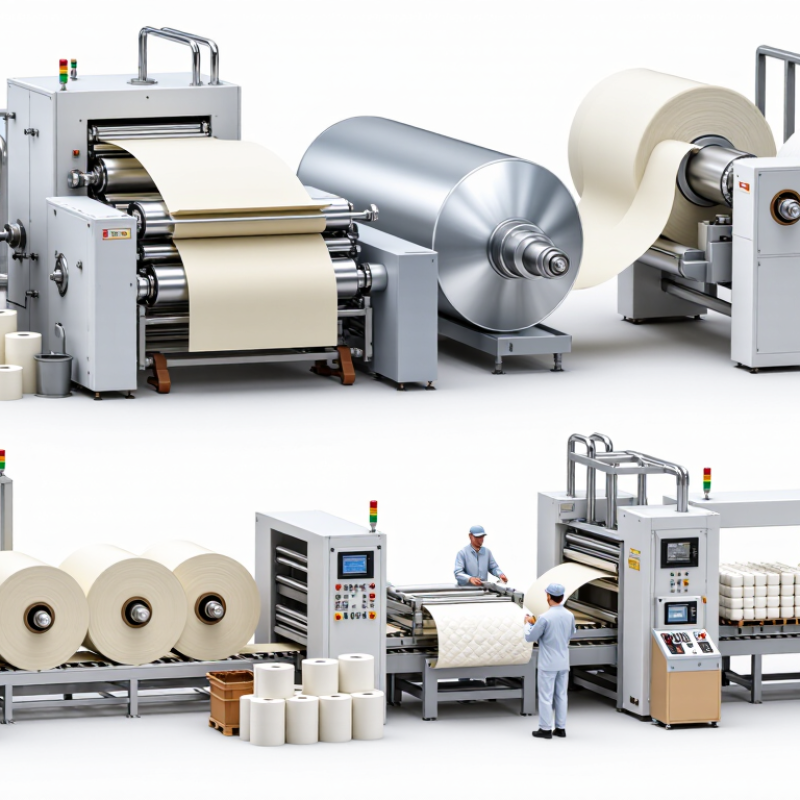
Tissue paper machinery is a connected set of systems that turns pulp into soft, usable paper products. A typical line begins with stock preparation, where pulp and water are mixed and refined to a target consistency. The paper machine then forms a thin sheet on a moving fabric. Pressing removes water, heated cylinders dry the sheet, and a creping blade helps create softness and bulk. The finished tissue is wound into large parent rolls.
Converting equipment shapes those rolls into products. Unwinders feed the tissue through embossing or laminating stations, perforators, and folding units. Depending on the product, lines may also include log saws and wrapping or packaging equipment. Pumps, vacuum systems, sensors, and controls support production across the line. Not every mill uses the same arrangement. There is no universal best setup; that claim deserves a second look. Product type, desired softness, available space, and maintenance capacity all matter.
What Is Tissue Paper Machinery?
Main Components of a Tissue Paper Machine
A tissue machine turns prepared pulp into a continuous, delicate sheet. Its stock-preparation system mixes fibers with water and screens out unwanted particles. Pumps then carry the diluted stock to the headbox, which spreads it evenly across the forming fabric. Small flow variations matter: they can leave thin streaks or uneven edges.
At the forming section, water drains through the moving fabric, leaving a wet web. The press section removes more water before the sheet reaches the Yankee dryer, a large heated cylinder. A hood directs hot air over the sheet. Then a creping blade lifts it from the cylinder, creating the soft, slightly crinkled texture people recognize. It is a precise step, but blade wear and settings can alter both softness and strength.
The reel winds the finished sheet into a parent roll for converting. Control systems monitor speed, moisture, and tension across these sections. Scale matters. FAO’s 2022 Forest Products Statistics reports about 401 million tonnes of global paper and paperboard production; that figure covers many grades, not tissue alone. It offers context, not a tissue-machine output benchmark. Operators still need to check the actual sheet and process data. Numbers do not catch every defect.
Tissue paper machinery turns a dilute fiber mixture into a thin, soft sheet through a controlled sequence of forming, drying, and winding. In the stock-preparation area, water and pulp are blended until the fibers disperse evenly. Small clumps can create weak spots, so operators monitor consistency and flow. The slurry then spreads across a moving forming fabric. Water drains through the mesh, leaving a wet fiber web.
Vacuum boxes remove more water before the web transfers to a press felt. The felt carries it against a heated Yankee dryer, a large rotating cylinder that evaporates remaining moisture. Steam pressure and cylinder speed affect dryness and sheet strength. A doctor blade scrapes the dried sheet from the cylinder, creating fine crepe folds. That step gives tissue much of its softness and stretch. It also demands care: an overly aggressive blade can tear the sheet.
The finished web travels through winding equipment, where it becomes a large parent roll. Converting machines then cut, fold, emboss, or perforate it into usable products. Sensors can track moisture and tension, but readings do not replace inspection. Operators may notice edge breaks, uneven texture, or a roll that feels too firm. Settings that work for one pulp blend may not suit another. There is no perfect recipe; small adjustments often matter.
Typical increase in paper-web solids as tissue moves through the machine
Tissue machinery prepares dilute fiber stock, forms it into a web, removes water by pressing, and dries the sheet on a heated Yankee cylinder. Values shown are representative operating levels; actual solids vary with machine design, furnish, and operating conditions.
Tissue machines differ by how they form, press, and dry the web. A crescent-former machine uses a forming fabric and felt around the forming roll, creating a compact line suited to conventional wet-pressed tissue. Its simpler layout can reduce capital needs, but pressing removes more water and can limit softness and bulk.
Through-air-dried machines use hot air through the sheet rather than heavy mechanical pressing. The result is a bulkier, absorbent web, often used for premium towels and toilet tissue. It needs more energy and a larger drying section. Hybrid configurations combine forming or drying methods to balance softness, strength, and operating cost. There is no perfect setup.
Configurations also vary by layer count, width, and speed. Multi-layer forming can place strength-focused fibers inside and softer fibers outside. Smithers’ 2024 tissue-market outlook projects continued global demand growth through 2028, supporting investment in capacity and product flexibility. That trend does not make every high-speed line a good fit. A mill should match the machine to its pulp mix, energy costs, target grammage, and converting equipment. Even a small mismatch can show up as uneven parent rolls or dust at the rewinder. My caveat: public market forecasts describe demand, not the performance of a specific machine.
What Is Tissue Paper Machinery?
Where Tissue Paper Machinery Is Used
Tissue paper machinery is found mainly in paper mills and converting plants. Large machines form tissue from pulp and dry it into wide parent reels. Converting equipment then rewinds, cuts, folds, embosses, or perforates the paper. The finished products include toilet rolls, facial tissues, napkins, and paper towels. Different lines handle different formats.
These products reach homes, offices, schools, hotels, restaurants, and healthcare settings. A folded hand towel dispenser in a washroom, for example, uses sheets made on a converting line. Restaurants often rely on compact napkins, while kitchens and workshops may need stronger, absorbent towels. Retail packaging and dispenser size can influence how products are cut and folded. Small details matter.
Machinery is also used in facilities that supply these everyday settings. Operators adjust speed, tension, and cutting settings to suit paper strength and product dimensions. Moisture and recycled fibre content can affect how tissue runs through a line, so settings may need careful adjustment. Not every line fits every grade. Equipment choices involve trade-offs among output, product feel, energy use, and maintenance; actual performance depends on the paper and operating conditions.
It includes stock preparation, sheet-forming, pressing, drying, creping, and winding systems. Converting machines shape large parent rolls into finished products.
Pulp and water are mixed and refined. A moving fabric forms a thin sheet, then presses and heated cylinders remove water. A creping blade adds softness and bulk.
Unwinders feed parent rolls through equipment for embossing, laminating, perforating, or folding. Some lines also cut and wrap products. Small alignment errors matter.
Lines can produce toilet rolls, facial tissues, napkins, and paper towels. Each format may need different cutting or folding settings.
Paper mills make wide parent reels, while converting plants turn them into usable products. Those products serve homes, offices, schools, hotels, restaurants, and healthcare settings.
Product dimensions, paper strength, and dispenser size affect cutting and folding. A compact restaurant napkin needs a different format from a kitchen towel.
Moisture and recycled fibre content can change how paper behaves. Operators may need to adjust speed, tension, or cutting settings. It is not always predictable.
Check how each machine connects to the next, not only its rated speed. Watch a sample run for sheet breaks, uneven folds, and rough roll edges. Details reveal problems.
Tissue Paper Machinery refers to the equipment and systems used to turn paper pulp or recycled fiber into soft, lightweight tissue products. A typical production line includes stock preparation equipment, a forming section, a press or drying system, a creping unit, and converting machines for cutting, folding, or winding. Together, these components shape the wet fiber sheet, remove moisture, create the desired texture, and prepare the finished paper for use.
The production process generally begins with fiber being mixed with water and refined into a consistent pulp. The pulp is formed into a thin sheet, dried, and creped to improve softness and flexibility before it is converted into products such as facial tissues, toilet paper, paper towels, and napkins. Tissue machines are available in different sizes and configurations to suit production needs, product types, and available resources. They are used in both large manufacturing facilities and smaller operations serving local or specialized markets.