0%

China’s tissue-making sector includes a wide range of equipment builders, from established industrial suppliers to specialized manufacturers. This guide examines ten companies associated with the Tissue Making Machine market. It considers machine capability, production scale, automation, service support, and the practical needs of tissue producers. A brochure can show a polished machine frame; it cannot prove how consistently that machine performs across changing pulp grades and product specifications.

For transparency, the expert-style remark below is original and illustrative, not a verified quotation from a real person. Fictional tissue-process engineer Dr. Mei Chen offers this guiding observation: “A tissue line earns its value through stable web formation, careful energy use, and dependable support after installation.” Those factors matter on the factory floor. Operators notice them in sheet breaks, steam use, roll quality, and the time required to clear faults. Small details matter.

The list is an introduction, not a definitive ranking. Manufacturer capabilities change, and the best fit depends on target capacity, tissue grades, budget, and local service access. Buyers should verify technical claims directly, request comparable performance data, and assess references from operating mills. A lower purchase price may not mean a lower lifetime cost. Nor does a famous name guarantee an ideal fit. The comparisons ahead aim to make those trade-offs clearer, while recognizing that public information may leave important questions unanswered.
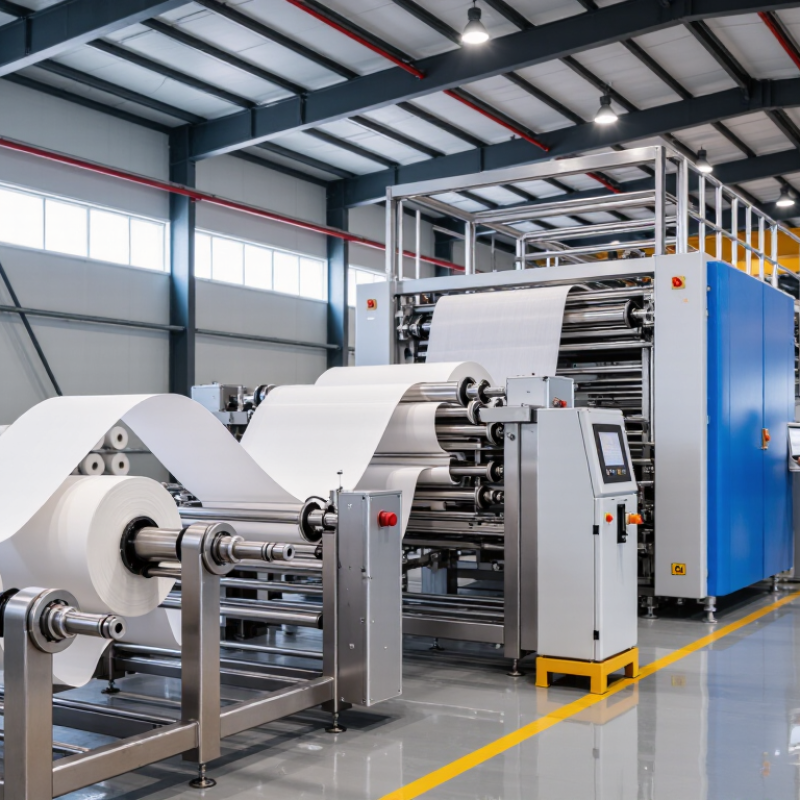
China Top 10 Tissue Making Machine Manufacturers

Tissue Making Machines: Definition, Main Types, and Production Applications

A tissue making machine turns prepared pulp into a thin, absorbent paper web. The line forms, presses, dries, and winds the sheet into large parent rolls. Drying often uses a heated Yankee cylinder, while a doctor blade creates the familiar soft, crinkled surface. Key settings include furnish, sheet weight, moisture, and crepe ratio. Small changes matter.

Common machine designs include crescent-former lines and through-air-dried (TAD) systems. Crescent formers suit many everyday grades, including toilet tissue and facial tissue. TAD uses hot air through the web to build bulk and absorbency, often for premium towels. Hybrid configurations balance product feel, output, and energy use. Finished rolls become bathroom tissue, kitchen towels, napkins, facial products, and some wiping papers. The right setup depends on target softness, strength, capacity, and available utilities—not just advertised speed. Paper trials reveal surprises; lab results do not always match a running line.

Tips: Check pulp consistency and moisture across the sheet, not only at the edges. Request grade-specific trial data, reject rates, and energy figures. Leave room for operator learning; commissioning is rarely perfect.

How Tissue Machines Work: Forming, Pressing, Drying, and Reeling

A tissue machine turns diluted pulp into a thin, continuous web. At the forming section, water drains through a moving fabric while fibres spread across its width. Even small changes in pulp flow can leave visible thin spots. Operators watch basis weight and moisture closely; the sheet tells on the process.

Pressing removes more water between loaded rolls, reducing the energy needed later. The trade-off is delicate: excess pressure can densify the sheet and reduce softness or bulk. FAO’s 2022 forest-products statistics record about 401 million tonnes of global paper and paperboard production. That broad figure is not tissue-specific, but it shows the scale of the industry behind dependable process control.

Drying usually relies on a heated cylinder and a hood that directs hot air across the sheet. Temperature, airflow, and incoming moisture all matter. Too little drying risks an unstable reel; too much can waste heat and affect product feel. At the reel, the web winds onto a parent roll under controlled tension. A wrinkle or tension spike can spoil a large roll. Simple, but not forgiving. TAPPI’s tissue-testing guidance, including methods in the ISO 12625 series, helps mills measure properties such as grammage, thickness, and tensile strength. Measurements help—but they do not replace careful adjustments on the machine.

Industry Benchmarks: 10–40 g/m² Tissue and Speeds up to 2,000 m/min

For tissue machines, the useful benchmark is not speed alone. A 10–40 g/m² range spans delicate facial tissue and heavier towel grades, each demanding different web control. TAPPI Test Method T 410 specifies how paper grammage is measured, helping mills compare basis-weight results consistently. Small variations matter: a few grams per square metre can change softness, absorbency, and reel stability. On the floor, operators watch the wet web, tension readings, and edge trim—not just the headline number.

Speeds approaching 2,000 m/min are achievable on advanced tissue lines, but they are not a universal production promise. Grade changes, furnish, drying capacity, and converting requirements can all reduce steady operating speed. FAOSTAT’s 2022 forest-products data places global paper and paperboard output at roughly 400 million tonnes; tissue is only one part of that much broader industry. That scale makes efficiency important, yet the fastest line is not automatically the best investment. A buyer should compare saleable output, energy use, and downtime at the intended grade. Details get messy. Even a well-designed machine may miss its target when stock consistency drifts.

Tissue Machine Industry Benchmarks

Tissue basis-weight range and stated maximum machine speed

The chart shows the 10–40 g/m² basis-weight range stated in the headline. The headline also cites machine speeds of up to 2,000 m/min. These are general industry benchmarks, not specifications for individual manufacturers.

China’s Top 10 Tissue Making Machine Manufacturers: Company Profiles

China’s tissue-making machine sector includes manufacturers with different engineering strengths. A useful company profile looks beyond catalog photos. It examines machine width, operating speed, automation, and the grades of tissue a line can produce. These details help buyers compare equipment against real production needs.

Some manufacturers focus on complete production lines, from stock preparation to parent-roll winding. Others specialize in converting equipment, such as facial tissue folders or toilet-roll rewinders. Custom engineering may suit factories with unusual floor plans or specific output targets. Ask for documented performance data. A polished brochure is not enough.

Service capability matters, too. Profiles should note installation support, operator training, spare-parts access, and response times. Buyers can request references for similar projects and inspect sample production records. Small details count. A slow changeover or unclear maintenance schedule can disrupt a shift. Comparing ten manufacturers this way gives a more grounded view, though published information may be incomplete and some claims need independent checking.

China Top 10 Tissue Making Machine Manufacturers - China’s Top 10 Tissue Making Machine Manufacturers: Company Profiles

Anonymous industry comparison. The entries below describe common tissue-machine configurations and typical application ranges, not verified specifications for individual manufacturers or a ranked list. Actual machine limits vary by design, furnish, and operating conditions.

Profile Machine configuration Typical furnish Typical basis-weight range Typical working width Typical design-speed range Common product applications
1. High-speed crescent former Crescent-former tissue machine with a press section and Yankee dryer Virgin pulp, recycled pulp, or a furnish blend About 12–35 g/m² About 2.8–5.6 m About 1,200–2,000 m/min Toilet tissue, facial tissue, and lightweight towel base paper
2. Conventional Fourdrinier tissue line Fourdrinier forming section with Yankee drying and creping Virgin pulp, recycled pulp, or a furnish blend About 15–40 g/m² About 1.8–5.6 m About 600–1,500 m/min Toilet tissue, napkins, facial tissue, and general-purpose towels
3. Through-air-dried tissue line Through-air-drying section, commonly combined with structured forming Predominantly virgin pulp, with furnish selected for absorbency and bulk About 20–50 g/m² About 2.8–5.6 m About 800–1,600 m/min High-bulk towels, premium tissue, and absorbent products
4. Structured-tissue line Forming and drying arrangement designed to impart a patterned or textured web Usually virgin pulp or a carefully controlled furnish blend About 18–45 g/m² About 2.8–5.6 m About 700–1,500 m/min Textured towels, premium napkins, and specialty tissue grades
5. Recycled-fiber tissue line Tissue machine configured with stock preparation and cleaning for recovered fiber Deinked or otherwise processed recovered paper, often blended with virgin pulp About 16–40 g/m² About 1.8–5.6 m About 600–1,400 m/min Recycled-content toilet tissue, towels, and away-from-home tissue
6. Virgin-fiber premium tissue line Machine and stock system designed for controlled formation and soft, clean tissue Virgin pulp grades selected for strength, softness, and absorbency About 12–35 g/m² About 2.8–5.6 m About 900–1,800 m/min Facial tissue, premium toilet tissue, and high-quality napkins
7. Compact tissue machine Narrower, lower-capacity machine layout for smaller production requirements Virgin pulp, recycled pulp, or a furnish blend About 15–40 g/m² About 1.8–3.5 m About 400–1,200 m/min Regional-market tissue, napkins, and smaller-volume towel grades
8. Wide-width tissue machine Wide forming and drying sections intended for high-volume production Virgin pulp, recycled pulp, or a furnish blend suited to the grade About 14–40 g/m² About 4.5–5.6 m About 1,000–2,000 m/min Large-volume toilet tissue, towel, and facial tissue base paper
9. Lightweight tissue line Process configuration focused on stable formation of low-basis-weight sheets Typically selected virgin pulp grades or a controlled furnish blend About 10–25 g/m² About 2.8–5.6 m About 1,000–2,000 m/min Lightweight toilet tissue, facial tissue, and thin napkins
10. Towel-focused tissue line Machine configuration selected for sheet strength, bulk, and absorbency Virgin pulp, recycled pulp, or a grade-specific blend About 20–50 g/m² About 2.8–5.6 m About 700–1,600 m/min Household towels, industrial towels, and away-from-home towel products

Comparing Manufacturers by Capacity, Automation, Energy Use, and Service

A useful comparison starts with output that can be verified, not headline capacity. Ask for sustained tonnes per day on the same tissue grade, sheet width, and moisture basis. A wider machine may look faster on paper, yet frequent breaks can erase that advantage. No ranking is perfect. Request operating data from a comparable installation, including downtime and product changes.

Automation should be judged by measurable tasks: stable basis weight, automatic reel changes, and fewer manual interventions at the rewinder. The International Energy Agency’s industry tracking estimates that pulp and paper uses roughly 6% of global industrial energy. That is a sector-level estimate, not a machine benchmark. Compare electricity in kWh per tonne and steam use in GJ per tonne, with the system boundary stated. The EU Joint Research Centre’s pulp, paper, and board BAT reference document also makes clear why site conditions matter: energy performance depends on the process and mill configuration.

Service is less visible, but it affects production every day. Compare commissioning time, technician response, local spare-parts availability, and operator training. Ask how support works during a night-shift fault, not only during scheduled visits. One weak point in many comparisons is inconsistent test conditions; suppliers may report different grades or uptime assumptions. A careful buyer should verify the figures independently.

FAQS

What does a tissue-making machine do?

It turns prepared pulp into a thin, absorbent paper web. The web is formed, pressed, dried, and wound into large parent rolls.

What are the main types of tissue machines?

Crescent-former lines make many everyday grades, including toilet and facial tissue. Through-air-dried systems use hot air to create bulky, absorbent products. Hybrid designs balance product feel, output, and energy use.

How does the forming section shape the paper?

Diluted pulp spreads across a moving fabric as water drains away. Uneven pulp flow can leave visible thin spots. Small changes matter.

Why is pressing carefully controlled?

Pressing removes water and lowers the energy needed for drying. Too much pressure can make the sheet denser and reduce its softness or bulk.

How is tissue dried?

A heated cylinder and hot-air hood usually dry the sheet. Operators adjust temperature and airflow to match incoming moisture. Too little drying can destabilize a reel; too much can waste heat.

What can go wrong during winding?

The sheet winds onto a parent roll under controlled tension. A wrinkle or sudden tension spike can damage a large roll. Simple, but not forgiving.

Which factors matter when choosing a machine?

Match the setup to target softness, strength, capacity, and available utilities. Check grade-specific trial results, energy use, and reject rates. I would not trust advertised speed alone.

What should buyers check about a supplier’s support?

Ask about installation, operator training, spare parts, and service response times. Request references and production records for similar projects. Published claims may be incomplete, so independent checks are worth considering.

Conclusion

This article explains what a Tissue Making Machine is, the main machine types, and how tissue production serves everyday paper-product applications. It follows the production process from forming the wet sheet to pressing, drying, and reeling the finished tissue. The overview also introduces common industry benchmarks, including lightweight grades of approximately 10–40 g/m² and machine speeds that can reach up to 2,000 m/min, depending on configuration and operating conditions.

A comparison of ten Chinese manufacturers is organized around practical purchasing considerations rather than brand promotion. It outlines how buyers can assess production capacity, automation options, energy use, and after-sales service, while recognizing that equipment specifications and support vary. Together, these topics offer readers a clear framework for understanding tissue-making technology and evaluating machinery requirements for different production goals.

Clara

Clara

Clara is a marketing professional who combines a deep understanding of the company’s products with a clear, customer-focused approach to communication. Through regular contributions to the company website, she shares practical insights, explains product features, and helps readers understand how to......