Comprehensive Technical Whitepaper: CE Certified Embossed Napkin Machinery Engineering
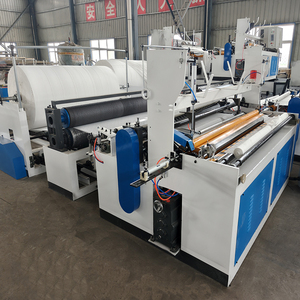
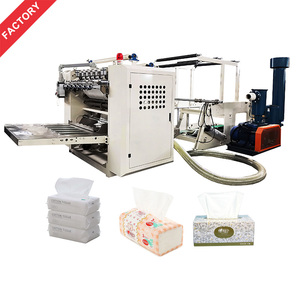
The global household paper and away-from-home (AFH) hygiene market is undergoing a structural transition toward ultra-high-speed automation, localized production resilience, and premium tactile surface customization. Central to this transformation is the modern CE certified embossed napkin machine—a sophisticated tissue converting system designed to transform raw jumbo tissue rolls into precisely cut, folded, embossed, and packaged serviettes at mechanical speeds exceeding 3,000 sheets per minute.
As leading embossed napkin machine manufacturers & suppliers, EuroFlow Tissue Machinery integrates state-of-the-art electromechanical synchronization, dynamic pneumatic web tension management, and modular embossing metallurgy. CE Certification (complying with EU Machinery Directive 2006/42/EC and Electromagnetic Compatibility Directive 2014/30/EU) ensures that every machine operating in high-volume production facilities meets rigorous international safety, emergency braking, noise suppression, and structural integrity standards.
Core Mechanical Components of Modern High-Speed Napkin Converting Lines
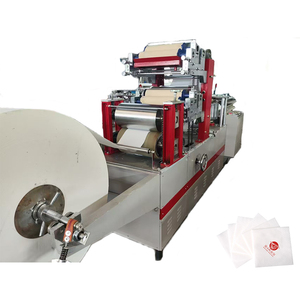
A full-line automated napkin manufacturing plant consists of five distinct, highly synchronized engineering modules working in unison under a unified programmable logic control (PLC) architecture:
- Unwind Stand Assembly: Features pneumatic jumbo roll lifting, magnetic powder braking systems, and automatic photo-electric web-alignment edge control to maintain constant web tension across varying roll diameters (up to 1,500 mm).
- Embossing Station (Single or Double Embossing): Incorporates precision-ground chromium-plated steel rollers matched with heavy-duty rubber, wool-paper, or hardened steel counter-rollers. Advanced systems feature pneumatic independent pressure adjustment and micro-heating units for crisp pattern transfer.
- Color Printing Unit (Flexographic Integration): High-precision doctor blade chambers, ceramic anilox rollers, and continuous infrared or hot-air drying tunnels capable of applying water-based food-grade inks at high velocities without smudging.
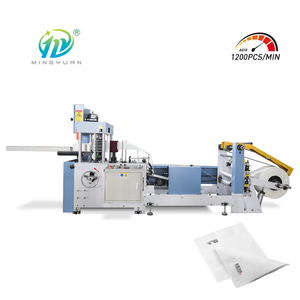
- Folding & Cutting Mechanism: Vacuum-assisted or mechanical claw folding heads supporting 1/4 fold, 1/8 fold, M-fold, and book-fold geometries, combined with rotary tungsten-carbide slitting knives for clean edge separation.
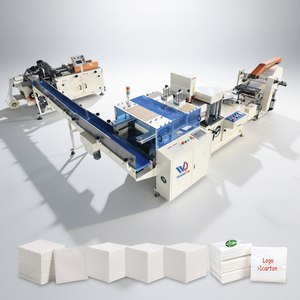
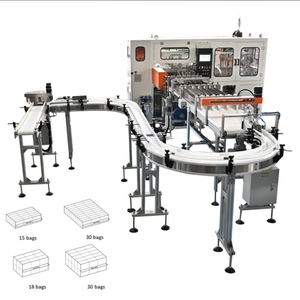
- Automatic Transfer & Primary Wrapping: Servo-driven mechanical pushers that index counted napkin stacks directly into high-speed flow-wrappers or plastic bagging units, eliminating manual operator contamination.
CE & ISO 9001 Compliance
Fully certified under European safety standards, featuring light-curtain safety guards, interlocked access panels, and zero-voltage restart protection.
3D Point-to-Point Embossing
Engineered steel-to-steel and steel-to-rubber embossing roller pairings capable of custom logo engraving, border embossing, and micro-ply bonding.
Multi-Axis Servo Synchronization
Independent servo motors drive the unwinding, embossing, folding, and knife cut-off stages, dramatically reducing gear wear and noise.
Future Procurement & Strategic Trends in Napkin Manufacturing (2025–2030)
Tissue paper converters and industrial sourcing managers must evaluate long-term technological trajectories when acquiring capital equipment. The next decade of napkin production equipment purchasing is defined by four core technological shifts:
1. Transition to Eco-Friendly Alternative Pulps & Water-Soluble Films
Global regulatory pressure against single-use plastics and non-recyclable materials is driving tissue mills to process alternative fibers including virgin bamboo pulp, wheat straw, bagasse, and 100% post-consumer recycled (PCR) kraft paper. These substrates possess different tensile strengths, elongation factors, and dust generation levels compared to conventional virgin wood pulp. Modern embossed napkin machinery must integrate dynamic web tension feedback loops and dust extraction manifolds at the slitting and embossing heads to prevent mechanical clogging and web tears.
2. Industry 4.0 IoT Diagnostics & Predictive Maintenance
Leading manufacturers are embedding industrial IoT gateways and vibration/temperature sensors directly into embossing roller bearing housings, main gearboxes, and servo drives. Real-time telemetry allows plant managers to monitor OEE metrics, track power consumption per thousand finished packs, and schedule predictive bearing replacements before catastrophic failure occurs. Edge-computing PLC systems also enable secure remote factory diagnostic support by EuroFlow field engineers worldwide.
3. Rapid Format Tooling & Universal Changeover Modules
Consumer brand preferences fluctuate rapidly between cocktail napkins (210×210 mm), dinner napkins (400×400 mm), and lunch napkins (300×300 mm). Procurement managers are steering away from rigid single-format machines toward modular converting lines equipped with quick-release embossing roller cartridges and cassette-style folding jaws that reduce complete size changeovers from 8 hours down to under 45 minutes.
4. End-of-Line Packaging Integration (Flow-Wrapping to Robot Palletizing)
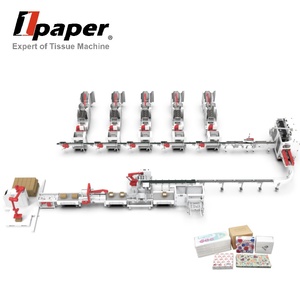
Standalone converting machines create severe manual handling bottlenecks. Procurement trends now emphasize completely integrated lines where folded napkin outputs feed continuously into primary flow-wrapping machines, secondary bundling equipment (bagging or cartoning), and final collaborative robot (cobot) palletizing stations. This seamless end-of-line integration reduces operational labor requirements by up to 75%.
Engineering Comparison & Machine Specification Matrix
Use the technical matrix below to cross-reference machine configurations based on your facility's planned output, sheet dimensions, embossing requirements, and electrical utility infrastructure:
| Machine Model | Folding Type | Finished Sheet Size (Unfolded) | Max Production Speed | Embossing Type | Installed Power |
|---|---|---|---|---|---|
| N-230 High-Speed | 1/4 Fold / 1/8 Fold | 230 × 230 mm | 1,200 - 1,800 sheets/min | Steel-to-Rubber / Micro-border | 5.5 kW (380V 50Hz/60Hz) |
| N-300 Heavy Duty | 1/4 Fold / M-Fold | 300 × 300 mm | 2,000 - 2,600 sheets/min | Steel-to-Steel / Full Pattern | 7.5 kW + Heating (3 kW) |
| N-400 Servo-Line | 1/4, 1/8, Book Fold | 400 × 400 mm | 2,500 - 3,200 sheets/min | 3D Point-to-Point / Heated Steel | 15 kW (Full Servo Control) |
| N-Flexo 2C Print | 1/4 Fold + 2-Color Print | 270 × 270 mm to 330 × 330 mm | 1,500 sheets/min | Custom Logo Engraved Steel | 11 kW + IR Drying Tunnel |
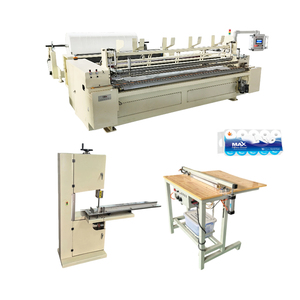
| TP-B30T Bundler Line | Multi-pack Automatic Bundle | Custom Bundle Bag | Up to 21 bundles/min | Integrated Line Transfer | 18 kW Heavy Duty Servo |
Why EuroFlow Tissue Machinery Is the Supplier of Choice
With over 14 years of specialized manufacturing experience, EuroFlow Tissue Machinery Co., Ltd. operates a state-of-the-art 20,000 square meter production center equipped with CNC gantry machining centers, dynamic balancing rigs, and laser-guided inspection tools. We maintain strict control over every stage of napkin machine fabrication, from raw steel alloy stress-relieving to final high-speed test runs prior to overseas container loading.
1. In-House Precision Roller Engraving & Metallurgy
Unlike third-party assemblers, EuroFlow manufactures and engraves embossing rollers in-house using high-hardness alloy steel subjected to specialized heat treatment and chromium plating. Our laser-engraving technology enables intricate custom customer logo transfers with sub-millimeter precision, ensuring zero structural paper degradation during high-speed compression.
2. Stringent Quality Control & CE Safety Validation
Every piece of napkin machinery undergo rigorous 72-hour continuous trial runs using the client's specific jumbo roll paper stock prior to dispatch. Safety features—including emergency stop pushbuttons, safety interlock switches, low-pneumatic pressure automatic cutoffs, and noise-damping enclosures—are tested and validated under real-world operating conditions.
3. Global Turnkey Installation & Spare Parts Availability
We maintain an extensive inventory of standardized wear parts (including timing belts, rotary tungsten blades, pneumatic fittings, and heating elements) ready for rapid international courier dispatch. Our multilingual application engineers provide remote augmented-reality installation assistance and on-site factory commissioning across 100+ countries.
Frequently Asked Questions (FAQ) for Engineering & Sourcing Managers
Explore engineering, operational, and purchasing queries commonly submitted by international buyers evaluating CE certified napkin machines:
What specific CE directives and standards do your napkin making machines comply with?
EuroFlow napkin machines fully comply with the European Union's Machinery Directive 2006/42/EC and EMC Directive 2014/30/EU. The mechanical construction follows EN ISO 12100 safety standards, and electrical cabinets are wired according to EN 60204-1 specifications. CE documentation, declaration of conformity, and complete technical construction files (TCF) are provided with every shipment.
What is the difference between Steel-to-Rubber, Steel-to-Paper, and Steel-to-Steel embossing?
Steel-to-Rubber: Offers cost-effective, durable embossing suitable for standard border designs and high-speed daily production.
Steel-to-Paper/Wool: Creates softer, fluffier embossing textures with high definition, ideal for multi-ply dinner napkins.
Steel-to-Steel: Delivers extremely sharp, deep 3D structural embossing and logo replication, ideal for premium establishment serviettes, but requires precise mechanical gap alignment to prevent metal roller wear.
Can a single napkin folding machine handle different paper basis weights (GSM)?
Yes. EuroFlow napkin machines process single-ply or multi-ply tissue paper ranging from 13 gsm to 28 gsm per ply. The unwinding unit features magnetic powder tension control and variable speed adjustment to accommodate soft facial-grade virgin pulp as well as stiffer recycled kraft stocks without web breaking.
How long does a complete format or embossing roller changeover take?
Standard changeovers between similar paper dimensions take approximately 30 to 45 minutes using quick-adjust mechanical guides. Swapping out a complete custom embossing roller cartridge takes between 1.5 to 2.5 hours with trained technicians utilizing our quick-release bearing mounts.
What is the typical production lead time and international delivery schedule?
Standard napkin machine models held in baseline stock can ship within 20 business days. Custom-engineered lines featuring flexographic printing units, 3D embossing, or integrated automatic packaging systems generally require 60 to 90 days for precision machining, assembly, and 72-hour trial validation.
Can the electrical system be customized for local factory voltage and frequency?
Absolutely. All main motors, PLC controllers, frequency inverters, and heating units can be configured to match your factory utilities, including 380V 50Hz, 220V 60Hz, 415V 50Hz, or 480V 60Hz 3-phase power supplies. Electrical schematics adhere to international IEC color codes.
What warranty and after-sales technical support do you provide?
We provide a 12-month comprehensive warranty covering all non-wearing mechanical and electrical components. After-sales support includes 24/7 video technical diagnostics, PLC remote programming updates, step-by-step video manuals, and optional on-site engineering dispatch for line commissioning and operator training.
How do I select the right machine output capacity for my plant layout?
Machine selection depends on your target daily pack count, target market segment (retail vs. catering/AFH), sheet dimensions, and budget. Our application engineers analyze your floor space dimensions, available labor, and power capacity to generate a tailored plant layout proposal free of charge.
Request a Custom Embossed Napkin Line Specification & Quotation
Speak directly with EuroFlow tissue machinery engineers. Share your target sheet dimensions, GSM requirements, and desired production speed to receive a detailed technical proposal and factory-direct price quote within 24 hours.
Send an Inquiry