Featured Tissue & Napkin Converting Equipment
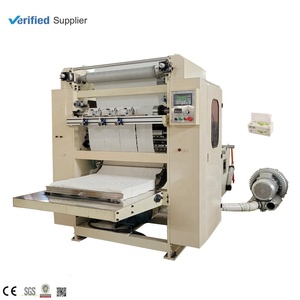
Engineered for high-volume tissue processing, precise embossing, dynamic folding, and automated end-of-line packaging. Select a featured model to evaluate technical parameters or request customized OEM quotes.
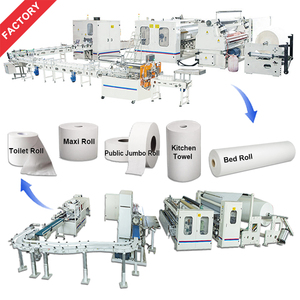
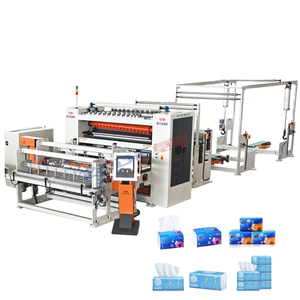
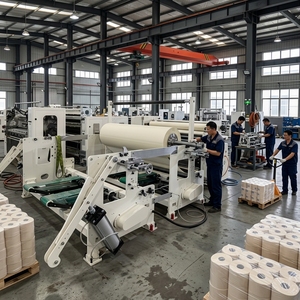
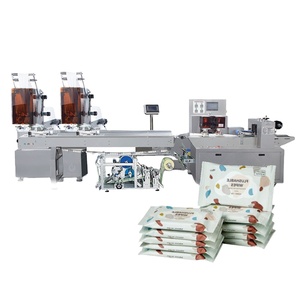
Evaluating Sourcing Capabilities in China’s Napkin Machinery Ecosystem
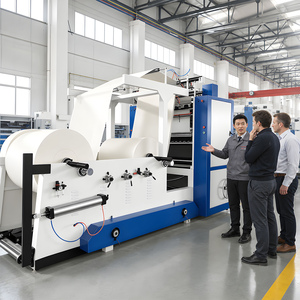
The global market for commercial household paper products—encompassing table napkins, facial tissue, paper towels, and sanitary hygiene wipes—is undergoing a profound technological shift. High-capacity commercial buyers, FMCG brand owners, and converting plant managers seeking China Best Napkin Production Line Factories & Suppliers must evaluate manufacturers not merely on raw machine throughput, but on overall equipment effectiveness (OEE), structural rigidity, servo synchronization precision, and end-of-line packaging automation versatility.
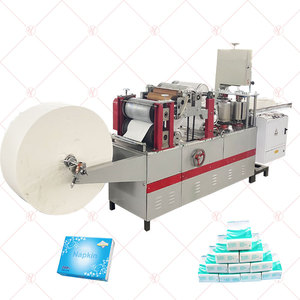
Modern high-speed paper napkin making machines require continuous tension control mechanisms to handle lightweight tissue paper substrates ranging from 13 gsm to 28 gsm (1-ply, 2-ply, or 3-ply). Chinese manufacturers lead the global industry in integrating high-precision flexographic printing units (1-color to 6-color precision registration), customized 3D micro-embossing rollers (steel-to-rubber, steel-to-wool, or steel-to-steel), and mechanical rotary or vacuum folding assemblies that maintain mechanical stability at line speeds exceeding 2,500 to 3,000 sheets per minute.
Pneumatic Unwinding & Tension Brake
Equipped with independent variable-frequency motor drives and load-cell sensor feedback to guarantee zero sheet breakage on low-gsm virgin or recycled jumbo paper rolls.
Precision Embossing & Logo Branding
CNC-engraved steel rollers deliver sharp, uniform border or full-surface embossing. Supports quick-change modular cassette systems for hotel, restaurant, and branded retail logos.
Servo-Driven Mechanical Folding Jaws
Ensures clean 1/4 fold, 1/8 fold, or N-fold geometries without paper jams or feathering edges, directly feeding auto-count transfer systems into packaging modules.
Tissue Converting Line Recommendations & Technical Benchmarks
Sourcing the correct machinery requires matching raw material specifications with target end-use applications. Below is an engineering benchmark comparing key converting machine categories supplied by premier Chinese tissue machinery OEMs.
| Machine Category | Folding / Format Types | Designed Speed / Output | Applicable Raw Paper | Control Architecture | Inquiry CTA |
|---|---|---|---|---|---|
| 1/4 Fold Napkin Machine | 1/4 Fold, Square Table Napkin | 1,500 – 3,200 sheets/min | 13–25 gsm (1-ply, 2-ply) | Siemens / Mitsubishi PLC + Touch HMI | Get a Quote |
| V-Fold Facial Tissue Line | V-Fold Interleaved (Soft-pack) | up to 200 m/min log speed | 13.5–18 gsm Virgin Pulp | Full Servo Synchronization (8-12 Axis) | Get a Quote |
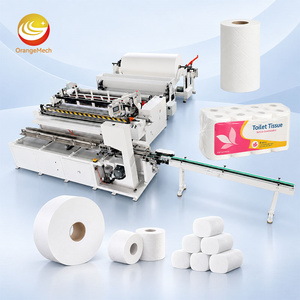
| Automatic Toilet Roll Line | Core & Coreless Perforated Roll | up to 200 packs/min (Single Roll) | 15–30 gsm Toilet Tissue | Rotary Punching + Auto Tail Sealing | Get a Quote |
| Wet Wipes Production Line | Cross-Fold / Z-Fold Wet Towel | up to 55 – 80 packs/min | Non-woven Spunlace (40–80 gsm) | Dosing System + Flow Wrap Film Sealer | Get a Quote |
| Kitchen Roll Bundler Line | Multi-Roll Family Pack Bundling | up to 22 bundle packs/min | 2-Ply / 3-Ply Embossed Paper | Pneumatic Bagging + Thermal Sealing | Get a Quote |
Need a Customized Napkin or Tissue Line Layout?
Our senior application engineers provide tailored CAD factory floorplan drawings, electrical configuration adaptations (380V/415V/220V 50/60Hz), and exact ROI cost estimation for high-speed commercial converting plants.
Get a QuoteFuture Sourcing & Technological Trends in Napkin Manufacturing
As global tissue converters strive for carbon-neutral operations and reduced labor overhead, procurement trends among global tissue mills sourcing from China are shifting toward smart, energy-efficient, and highly automated end-of-line configurations. Sourcing directors should align their equipment investment strategy with the following key technological developments:
1. Full Multi-Axis Servo Integration
Traditional mechanical gear-driven napkin machines are being systematically replaced by multi-axis direct-drive servo systems. Servo technology eliminates mechanical backlash, reduces noise levels below 75 dB, speeds up sheet size changeovers from hours to minutes, and cuts mechanical power consumption by up to 22%.
2. In-Line Color Flexographic Printing
Rising consumer demand for customized event napkins, quick-service restaurant (QSR) branding, and seasonal party napkins has pushed Chinese suppliers to develop chamber doctor blade flexo units. Water-based ink printing systems now achieve fast ink-drying cycles with zero bleeding on high-porosity tissue sheets.
3. Automated End-of-Line Packaging Automation
Leading napkin factories no longer stop at the folding stage. Complete production lines seamlessly integrate auto-counting transfer units, soft-pack film wrappers, cartoners, bundle baggers, and collaborative robot (cobot) palletizers—reducing manual operator headcount from 6 workers down to 1 supervisory technician.
Enterprise Advantages: Why Global Buyers Trust Our Manufacturing Standards
Choosing the right Chinese supplier demands transparent verification of engineering capabilities, manufacturing infrastructure, and international after-sales support systems. Our production base is organized around total quality management to ensure seamless commissioning for overseas paper converters.
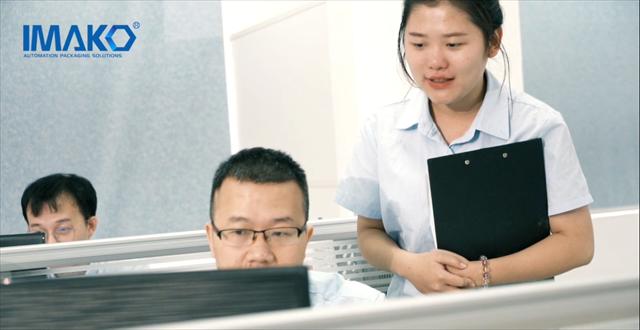
14+ Years Sourcing Partnership
We build long-term relationships with converters across Europe, the Americas, the Middle East, and Asia, providing scalable machine upgrades as client production demands expand.

24/7 Remote Diagnostics & AR Support
Integrated PLC internet modules enable our software engineers to remotely troubleshoot electrical parameters, update motion profiles, and guide local operators in real time.
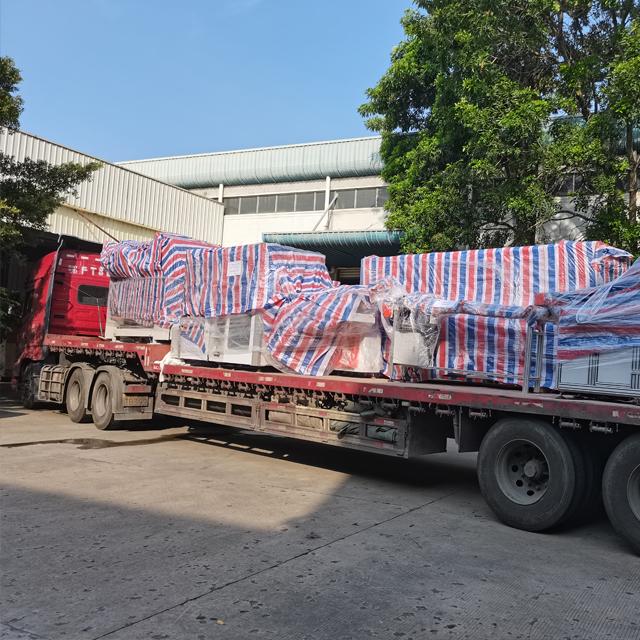
Rapid Manufacturing & Standard Delivery
Standard machines ready in approximately 20 days; custom multi-line projects engineered and test-run (FAT) within 60 to 90 days with full factory acceptance video verification.
Reduced Cost Per Pack & High OEE
Precision machining cuts raw paper web waste below 1.5%. Automated packaging minimizes film consumption and eliminates manual rework, driving lower unit costs for converters.
Frequently Asked Questions for Sourcing Napkin Production Lines
Below are expert technical responses to critical procurement questions raised by commercial paper converting plant buyers during machine selection and factory audits.
Ready to Upgrade Your Tissue Converting Plant?
Contact China’s leading napkin and tissue machinery manufacturer today. Get direct factory pricing, full technical specifications, and custom production line layout proposals within 24 hours.
Get a Quote