The Technical Evolution of Facial Tissue Packaging Machinery
An Industrial Assessment of Servo Automation, Film Tension Mechanics, and Total Line OEE Optimization
In the global fast-moving consumer goods (FMCG) paper sector, the post-folding packaging phase has historically presented a critical operational bottleneck. While high-speed tissue folding machines routinely process logs at velocities exceeding 200 meters per minute, downstream packaging systems frequently struggle to maintain mechanical synchronization without inducing film tears, misaligned seals, or tissue block jams. As premier Chinese tissue packing machine manufacturers, engineering units have shifted away from traditional pneumatic indexing toward multi-axis electro-mechanical servo integration.
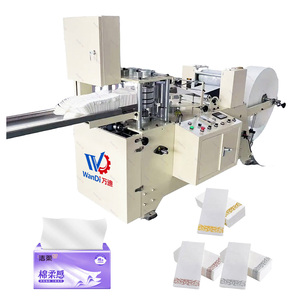
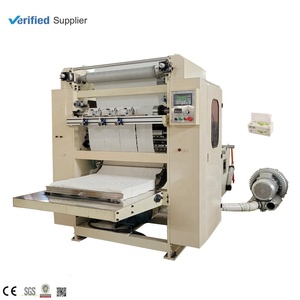
Modern facial tissue packing machinery operates at the intersection of precision kinematics, thermodynamics, and optical sensor telemetry. The primary engineering goal is straightforward yet technically demanding: wrap soft-pack facial tissues, box-cut tissues, or folded napkins in protective poly-film (PE/CPP/BOPP) or paper-based substrates at rates up to 200 units per minute, maintaining hermetic seal integrity while eliminating aesthetic defects such as wrinkled film corners or crushed tissue borders.
Multi-Axis Servo Synchronization
Independent servo motors control feeding, film pulling, lateral sealing, and discharge, ensuring sub-millimeter positioning accuracy even under fluctuating raw material tensions.
Dynamic Heat Sealing Thermodynamics
PID temperature controllers coupled with ultra-light heating jaws maintain tight thermal boundaries (±1°C), preventing film burn-through during momentary line pauses.
Modular Format Changeover
Tool-less quick-release guides and recipe-driven PLC memory store up to 50 product SKUs, cutting format changeover times from hours down to under 15 minutes.
Architectural Breakdown of Facial Tissue Packaging Machinery
A commercial automated facial tissue wrapping line comprises several distinct engineering sub-assemblies working in closed-loop harmony:
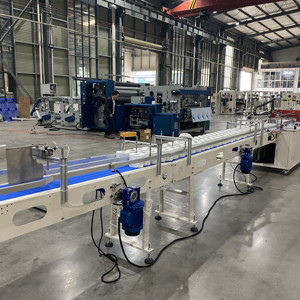
1. Infeed & Log Collating Conveyor: The folded tissue stack leaves the log saw cutter and enters the packaging infeed. Servo-driven flight bars index individual or grouped tissue stacks (e.g., 100-count, 150-count soft packs) without friction distortion. Optical sensors verify stack height and density prior to wrapping entry.
2. Continuous Film Tension Control: The packaging film unwind assembly uses magnetic powder brakes and dancer rolls to maintain constant web tension. Print mark registration sensors continuously feed micro-adjustments to the film cutter, maintaining logo placement alignment within ±0.5 mm across thousands of consecutive cycles.
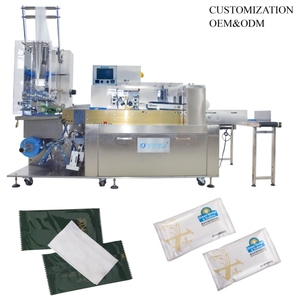
3. Soft-Pack Folding & Tuck Mechanism: As the tissue block is pushed through the film envelope, rotating mechanical tuckers fold the side flaps smoothly. Vacuum belts gently hold the film against the tissue block to remove excess trapped air, resulting in flat, rectangular, tight-fitting soft packs suitable for retail shelves or secondary bundling.
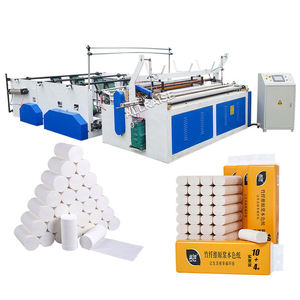
4. Multi-Pack Bundling & Cartoning Integration: Single soft packs pass downstream to secondary bundling machines (e.g., Model TP-B30T) or automatic box cartoning machines. The bundler arranges single tissue packs into multi-pack configurations (e.g., 5-in-1, 10-in-1) and wraps them in outer poly-bag packaging, completing the retail-ready package.