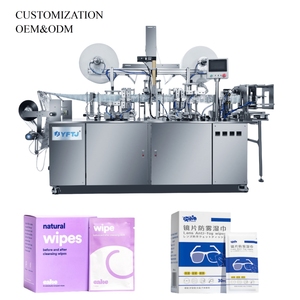
Featured Converting & Packaging Machinery
Industrial Tissue & Napkin Processing Solutions
Explore our export-grade paper converting machinery fleet designed for high-yield, low-maintenance manufacturing environments worldwide.
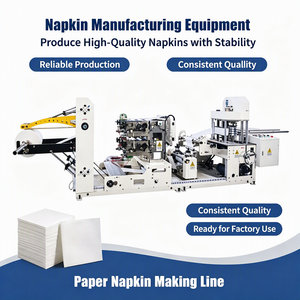
1/4 Folding Type Table Napkin Folding Machine Automatic Interfold Facial Tissue Paper Machine for Restaurant
View Technical Specs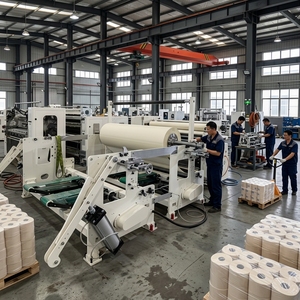
Full Automatic Toilet Paper Roll Making Machine Complete Tissue Production Line with Automatic Rewinding and Winding System
View Technical Specs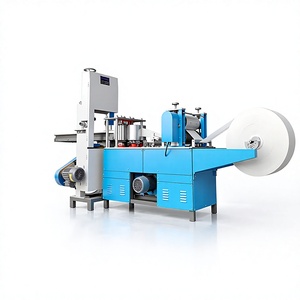
Fully Automatic High-efficiency Napkin Embossing and Folding Paper Machine, Toilet Paper Machine
View Technical Specs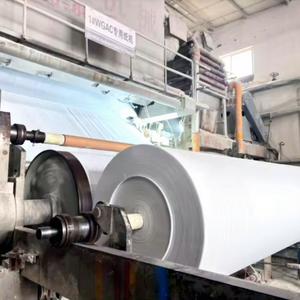
Small Business JINLONG Automatic Facial Tissue & Toilet Paper Roll Making Machine 60 Tons/Day Production Line for Sale
View Technical Specs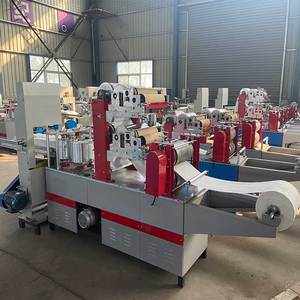
Cost Price Tissue Napkin Paper Making Machine High Speed Tissue Paper Napkin Making Machine Napkin Machine Manufacturer
View Technical Specs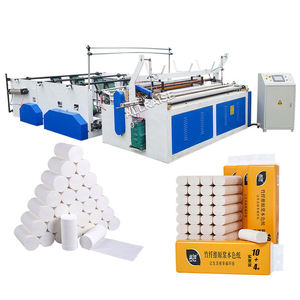
Automatic Toilet Tissue Paper Making Machine Toilet Tissue Roll Rewinding Perforating Production Line Kitchen Towel Machinery
View Technical Specs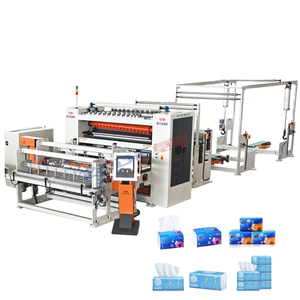
ZD-V7L Facial Tissue V Folding Machine Facial Paper Production Line Tissue Making Machine
View Technical SpecsIndustry Whitepaper: Mechanical Engineering & Kinematic Principles of Modern Napkin Folding
The modern tissue converting landscape demands unprecedented levels of mechanical precision, operational efficiency, and material versatility. As a leading China Wholesale Automatic Napkin Folding Machine Supplier & Exporter, EuroFlow Tissue Machinery engineers state-of-the-art converting equipment designed to process parent tissue rolls into perfectly slit, embossed, folded, and stacked paper napkins at speeds exceeding 2,500 pieces per minute. Converting raw tissue paper (ranging from 13 to 28 gsm) into crisp, square, or rectangular table napkins requires a complex interplay of pneumatic web tension management, high-precision helical slitting blades, steel-to-rubber or steel-to-wool paper embossing rollers, and vacuum-assisted rotary folding cylinders.
In high-throughput HoReCa (Hotel, Restaurant, Catering) and consumer retail supply chains, mechanical reliability dictates total profitability. Inefficient napkin folders suffer from frequent web breakages, unequal fold alignment, inconsistent stacking counts, and rapid wear on mechanical cams. Our latest generation of automatic napkin embossing and folding paper machines solves these systemic issues by incorporating multi-servo motor drives that decouple mechanical timing belts from raw material feed reels. This guarantees zero-drift indexing, precision web guiding within ±0.5 mm tolerance, and uniform folding geometry across 1/4 fold, 1/8 fold, V-fold, and custom architectural folds.
Multi-Lane Servo Synchronization
Independent servo motors drive the unwinding shaft, embossing rollers, and rotary folding heads. Instantaneous digital timing prevents paper tears during high-speed acceleration.
Custom Steel-to-Rubber Embossing
Precision CNC-engraved steel embossing cylinders backed by high-durability rubber or wool paper rollers produce crisp point-to-point or border embossing designs.
Vacuum-Assisted Rotary Folding
High-volume vacuum suction pumps hold lightweight single-ply or multi-ply tissue firmly against the folding cylinder, ensuring razor-sharp edges without creasing.
Engineering Matrix: Single-Deck vs. Double-Deck vs. Multi-Lane Automatic Napkin Folding Lines
Selecting the appropriate machine configuration requires evaluating web width, targeted output capacity, sheet dimension flexibilities, and downstream automation integration (such as flow-wrapping or bundle bagging). The technical comparison matrix below highlights operational benchmarks across our commercial equipment lines:
| Machine Architecture | Web Width (mm) | Production Speed (Pcs/Min) | Embossing Type | Folding Formats | Power Consumption |
|---|---|---|---|---|---|
| Single-Deck Standard Folder | 180 – 300 mm | 500 – 800 pcs/min | Steel to Rubber / Wool | 1/4 Fold, 1/8 Fold | 4.5 kW – 7.5 kW |
| Double-Deck High-Speed Folder | 200 – 400 mm (Dual Lane) | 1,200 – 1,800 pcs/min | Steel to Steel / Point-to-Point | 1/4, 1/8, N-Fold, Z-Fold | 9.0 kW – 13.5 kW |
| Multi-Lane Servo Integrated Line | 400 – 1000 mm (Multi-Lane) | 2,200 – 3,500 pcs/min | Pneumatic Heating / 3D Emboss | Universal Multi-Format | 18.0 kW – 32.0 kW |
| Flexographic Printing + Folding Unit | 230 – 330 mm | 600 – 1,200 pcs/min | Anilox Roll Water-Based Ink | 1/4 Fold Cocktail / Lunch | 8.5 kW – 15.0 kW |
20,000+
Square Meter Manufacturing Base
80+
R&D Patents & Innovations
100+
Countries Exported Worldwide
1,000+
Active B2B Production Lines
Global Procurement Trends in Tissue & Napkin Machinery (2025–2030)
The global tissue converting machinery market is undergoing a structural transformation driven by rising labor costs, plastic reduction regulations, and the demand for personalized, branded paper products. Plant managers and procurement executives must align their capital expenditure (CapEx) strategy with four key technological shifts:
1. Smart Servo-Driven Automation & IoT Integration
Traditional mechanical gear-driven folders are rapidly being phased out in favor of full servo-controlled systems equipped with PLC touchscreens (Siemens, Mitsubishi, or Delta). Real-time telemetry allows plant operators to monitor web tension, bearing temperature, line speed, and cycle counts remotely. Predictive maintenance algorithms detect micro-vibrations before mechanical failures occur, cutting unplanned downtime by up to 40%.
2. Eco-Friendly & Sustainable Fiber Adaptability
Environmental mandates and consumer preferences are pushing tissue mills to process alternative fibers, including bamboo pulp, sugarcane bagasse, non-woven spunlace, and high-percentage recycled kraft paper. Next-generation napkin folding machinery must incorporate flexible web-tension compensators and adjustable slitting knives capable of handling varying tensile strengths and GSM weights without edge fraying or fiber tearing.
3. End-to-End Line Integration (Folding to Flow-Wrapping)
Standalone tissue machinery creates operational bottlenecks at the manual packing stage. Modern procurement strategies prioritize fully automated production lines that connect the napkin folding unit directly to automatic log saws, soft-pack bundling machines, cartoning machines, and robotic palletizing cells. Turnkey automation reduces direct shop-floor labor requirement from 6 operators down to 1 supervisory engineer.
Furthermore, colorful branded napkins for fast-food chains, airlines, and luxury hospitality venues have spiked demand for integrated 1-color to 4-color flexographic printing modules using eco-friendly water-based inks. Our custom napkin folding machinery line can be retrofitted with ceramic anilox rollers and doctor blade chambers to deliver crisp graphic resolution without bleeding into the absorbent tissue stock.
Manufacturing Excellence: Why Leading Global Converters Partner With Us
EuroFlow Tissue Machinery Co., Ltd. (JINLONG Brand) has established itself as an authoritative global manufacturer of automatic converting machinery for household paper and hygiene products since 2011. Operating from our modern 20,000 m² factory equipped with heavy-duty CNC machining centers, precision cylindrical grinders, and automated inspection bays, we deliver high-reliability equipment engineered for continuous 24/7 continuous operation.
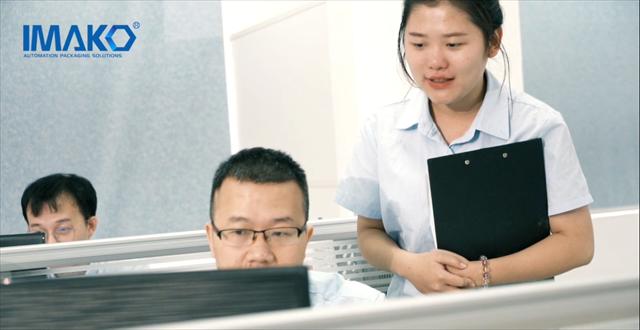
Long-Term Strategic Partnership
We grow alongside our clients, offering lifetime technical support, custom format toolings, and line upgrade paths.

Rapid Engineering Response
24/7 remote diagnostics and quick-dispatch field service technicians ensure your production line never stops.
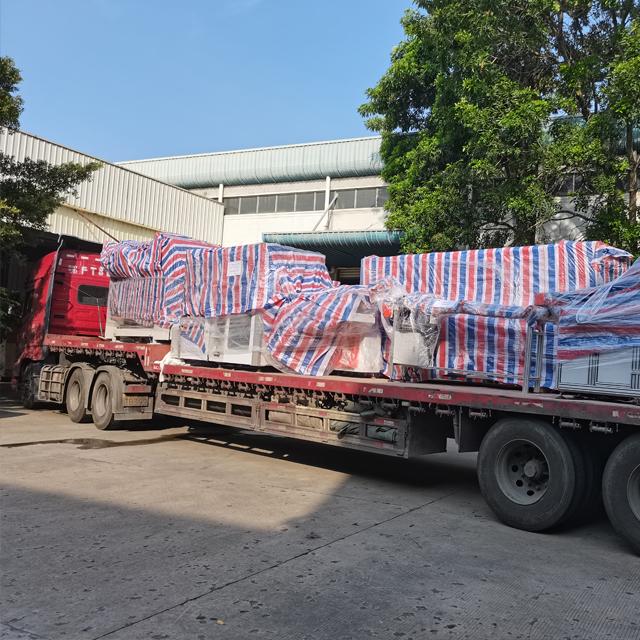
Short Delivery Cycles
Standard model inventory ships within 20 days; custom multi-lane lines ship within 60–90 days with full factory acceptance testing (FAT).
Optimal Cost Per Pack
High-speed automation reduces scrap rates below 0.5% and optimizes electrical consumption per ton of converted paper.
B2B Procurement FAQ: Technical & Sourcing Guide
Buying automatic napkin folding machinery from an overseas manufacturer involves rigorous evaluation of machine specs, electrical compatibility, shipping safety, and post-installation support. Below are answers to critical procurement questions:
✔
What parameters determine the right napkin folding machine for my plant?
Key parameters include your parent paper roll width, targeted finished folded dimensions (e.g., 23x23cm, 30x30cm, 40x40cm), paper ply count (1-ply, 2-ply, or 3-ply), required folding style (1/4 fold, 1/8 fold, or dispenser fold), required speed (pcs/min), and whether flexographic printing or point-to-point embossing is needed.
✔
Can one napkin folder produce multiple napkin sizes?
Standard mechanical folding cylinders have fixed dimensions designed for specific sheet lengths. However, width can be adjusted by moving slitting blades. For multi-size production, we offer machines with interchangeable folding heads or flexible servo-driven folding systems that accommodate different format parts.
✔
How do you handle voltage and phase requirements for international export?
All electrical systems (motors, frequency inverters, PLCs, heaters) are fully customized to match your destination factory grid voltage—such as 380V 50Hz 3-Phase, 220V 60Hz 3-Phase, or 415V 50Hz. All wiring adheres to strict CE and IEC electrical standards.
✔
What is the average lead time and Factory Acceptance Testing (FAT) process?
Standard stock folders ship in 20 days. Customized single/double-deck units require 45 to 60 days. Prior to dispatch, we conduct a 72-hour continuous FAT run using client-supplied raw material samples to verify speed, embossing depth, and fold accuracy.
✔
What maintenance procedures are required for long-term operational stability?
Routine maintenance includes daily dust cleaning via pneumatic blowers around folding vacuum slots, weekly lubrication of main drive gears/chains, monthly inspection of slitting blade sharpness, and checking vacuum pump oil levels. We supply a 2-year recommended spare parts package with every shipment.
✔
Do your napkin folding lines integrate with automatic wrapping machines?
Yes. Our automatic folding folders feature precise mechanical transfer indexers that sync seamlessly with automatic single-sachet flow wrappers, film bundling machines, or cardboard cartoning lines for a zero-manual-touch converting process.
Request a Tailored Engineering Proposal & Wholesale Quote
Submit your finished napkin dimensions, target speed requirements, and raw material specifications. Our senior application engineers will provide complete layout drawings, line configurations, and FOB/CIF pricing within 24 hours.