Featured Tissue & Napkin Converting Machinery
Explore our top-rated OEM/ODM high-accuracy embossing, folding, printing, and packaging equipment tailored for global tissue paper converters.
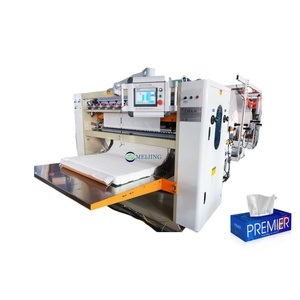
6/7/8/9/10 LINE New Machine for Facial Towel 2023 Facial Tissue Machines for Tissue Paper Making Machine
View Product Specifications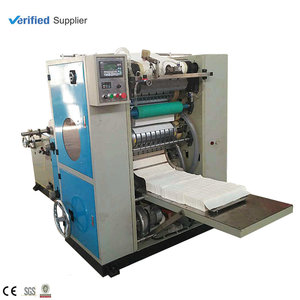
N & Z Folded Hand Towel Bathroom Wipe Tissue Convert Machine
View Product Specifications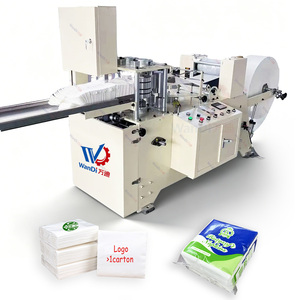
Small Business High Accuracy Napkin Tissue Paper Making Machine Napkin Machine for Tissue Paper Production
View Product Specifications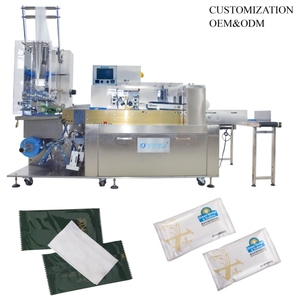
Best Brand YFTJ WET TISSUE MAKING MACHINE Islak Mendil Makinasi Wet Tissue Paper Making Machine Single Wet Wipes Making Machine
View Product Specifications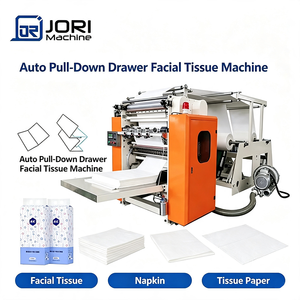
Automatic Bamboo Soft Facial Napkin V Folding Machine Line Facial Tissue Paper Making Production Machine
View Product Specifications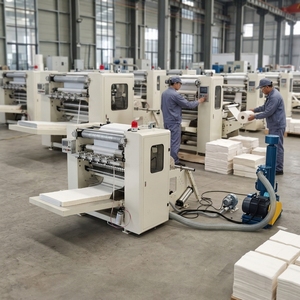
High Speed 400x400mm Automatic Paper Napkin Machine 2Color Printing Tissue Serviette Production Equipment 500-600 PCS/Min
View Product Specifications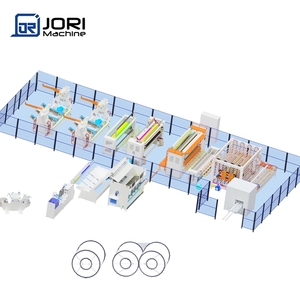
Non-stop Tissue Paper Production Line Precio De La Maquina De Papel Higienico Tissue Paper Making Machinery
View Product Specifications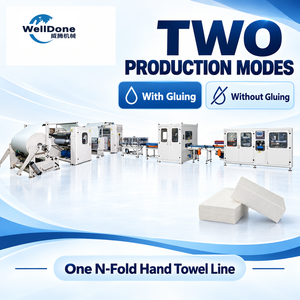
Welldone Automatic Interfold Tissue Machine Facial Paper Making Machine with Packing System high speed tissue machine
View Product SpecificationsEngineering Architectural Insights: Modern Napkin Embossing Machinery
In the contemporary tissue converting industry, napkin embossing equipment represents the critical junction between raw paper substrate management and finished product tactile quality. Modern high-speed napkin embossing machines are engineered to transform raw jumbo tissue rolls—ranging from 13 GSM to 30 GSM in single-ply or multi-ply configurations—into precisely folded, embossed, printed, and cut commercial serviettes. China's manufacturing landscape has evolved into the world's primary hub for high-precision tissue converting technology, pairing robust mechanical design with advanced motion control system integration.
The core embossing technology relies on distinct mechanical configurations depending on the required bulk, softness, and structural definition of the end-product:
Steel-to-Rubber Embossing
Utilizes a laser-engraved steel roller mating against a high-durometer rubber roller. Ideal for standard commercial napkins, providing clean relief definitions without compromising structural sheet tensile strength.
Steel-to-Paper / Steel-to-Wool
Offers extreme pattern precision and high-density micro-embossing. Frequently utilized for luxury, multi-ply dinner napkins requiring uniform caliper expansion across the entire sheet surface.
Point-to-Point & Nested Systems
Advanced double-embossing stations that glue or mechanically lock two distinct embossed plies together, creating maximum absorption pockets and premium velvet-like tactile performance.
Furthermore, web-tension regulation is executed via pneumatic tension sensing units and automatic magnetic powder brake systems. This guarantees that variable jumbo roll density does not result in stretch distortion, misaligned folding, or uneven embossing depth across long operational shifts.
Technical Parameters Matrix & Operational Benchmarks
When selecting napkin embossing and tissue converting lines from OEM manufacturers, procurement teams must evaluate key mechanical and operational specifications against target production KPIs. The matrix below outlines standard industry parameters across entry-level, mid-tier, and high-speed fully automated production lines:
| Performance Dimension | Small Business Line | High-Speed Automated Line | Non-Stop Industrial Line |
|---|---|---|---|
| Mechanical Speed | 180 – 350 pcs/min | 500 – 700 pcs/min | 800 – 1200+ pcs/min |
| Folding Options | 1/4, 1/8, or N/Z Fold | 1/4, 1/8, Book Fold, V-Fold | Multi-format Servo Programmable |
| Embossing Pressure System | Manual Mechanical Screw | Pneumatic Cylinder Controlled | Proportional Hydraulic / Servo Hydraulic |
| Flexographic Printing | Optional 1-2 Colors | Integrated 2-4 Color Anilox | High-Precision 4-6 Color Doctor Blade |
| Raw Material GSM Range | 14 – 25 GSM (1-2 Ply) | 13 – 30 GSM (1-3 Ply) | 12 – 35 GSM (1-4 Ply & Non-Woven) |
| Main Drive System | Inverter Frequency Control | Multi-Servo Synchronous Drive | Full Bus-Control Independent Servo |
Industry Development Trends (2025–2030)
The global tissue paper converting machinery market is experiencing a structural paradigm shift driven by sustainability mandates, supply chain volatility, and rapid shifts in end-consumer preferences. Manufacturers and exporters in China are leading the integration of several groundbreaking industry trends:
1. Eco-Fiber & Bamboo Adaptability
With global plastic bans and deforestation legislation (such as EUDR), tissue mills are shifting heavily toward virgin bamboo fiber, bagasse, and recycled post-consumer pulp. Modern embossing rollers are specifically calibrated for bamboo's higher tensile rigidity and shorter fiber flexibility, preventing fiber breakage during high-pressure embossing.
2. Closed-Loop Automation & IoT
Industry 4.0 integration allows real-time telemetry tracking of embossing roller surface temperature, bearing vibration, and blade wear. Automated web-edge optical alignment sensors automatically adjust raw paper tracking, reducing manual operator intervention and lowering scrap rates below 0.5%.
3. Energy Efficiency & Low TCO
New energy-recovery kinetic braking units and high-efficiency IE4 IE5 motors drastically cut kWh consumption per ton of converted paper. In combination with air-recirculation drying hoods on flexo printing stations, modern lines reduce operational carbon intensity by up to 22%.
Future Sourcing & Procurement Sourcing Trends
For B2B buyers, sourcing managers, and paper converting factory owners, machine procurement strategies are transitioning from pure upfront capital expenditure (CAPEX) evaluation toward long-term Total Cost of Ownership (TCO) and agility optimization.
1. Modular Line Expansion Architecture: Sourcing teams are increasingly requesting modular machinery frameworks. A baseline napkin embossing line purchased today should allow seamless plug-and-play integration of automatic multi-color flexographic printing modules, automatic web-splicers, or robotic packaging/cartoning units in future years as market demand increases.
2. Rapid Format Changeover Capability: Consumer packaged goods (CPG) brands demand varied napkin dimensions—from 200x200mm cocktail napkins to 400x400mm dinner napkins. Procurement leads now prioritize machines featuring cassette-type embossing roller replacement systems and digital servo-adjusted folding jaws, which compress tool changeover times from 6 hours down to under 45 minutes.
3. Vendor Validation via Factory Tele-Inspection & Digital Twin Testing: Overseas buyers are requesting rigorous factory acceptance testing (FAT) using digital twin monitoring and high-speed camera line testing before dispatch. Validating target GSM runs remotely with precise paper substrates drastically reduces field commissioning friction upon arrival at the destination port.
Why Partner With Our Factory Hub
Leveraging over a decade of dedicated engineering, certified international quality control, and an expansive global export footprint.
20,000+ m² Modern Manufacturing Facility
Equipped with high-precision CNC machining centers, dynamic balancing test rigs, and dedicated assembly bays ensuring tight tolerance control on all embossing and cutting rollers.
Certified Quality Assurance (CE & ISO Documented)
All machinery strictly complies with European Union CE electrical and mechanical safety standards and ISO9001 quality management systems, facilitating seamless customs clearance worldwide.
80+ Intellectual Property Machine Patents
In-house R&D team continuously innovates in high-speed folding mechanics, non-stop automatic roll changing systems, and specialized micro-embossing pattern structures.
Global Installation & Remote Technical Support
Exported to over 100 countries across North America, South America, the Middle East, Southeast Asia, and Africa, backed by multilingual technical teams for quick troubleshooting.
Frequently Asked Sourcing Questions
Clear engineering answers regarding machinery lead times, operational requirements, and custom configurations.
Request Machine Specifications & Direct Wholesale Quotation
Consult with our lead application engineers to determine ideal machine line configurations, receive custom embossing pattern samples, or review turnkey factory layout designs.