China Wholesale Napkin Machine Sourcing & Engineering Whitepaper
In the modern commercial tissue converting industry, procuring high-efficiency paper napkin making machinery from China has evolved from a simple price-based transactional decision into a strategic capital investment. Global tissue converters, commercial paper distributors, and institutional hygienic product suppliers face growing pressures: fluctuating virgin and recycled pulp raw material costs, shifting consumer demands for multi-ply soft embossing, strict environmental regulations on ink usage, and an acute need for higher OEE (Overall Equipment Effectiveness) with minimal manual intervention.
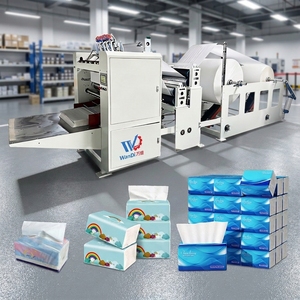
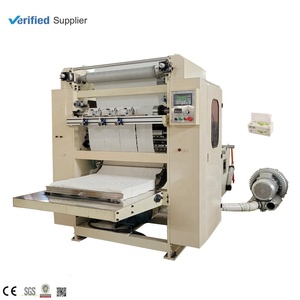
This industry whitepaper provides enterprise buyers with an authoritative guide to navigating the technical specifications, structural engineering innovations, future procurement trends, and quality assurance frameworks necessary when sourcing wholesale table napkin making machines and automatic interfold facial tissue lines directly from top-tier Chinese original equipment manufacturers (OEMs).
Industry Benchmark Insight: Modern servo-driven paper napkin making machines operating in China's top converting plants achieve linear production speeds exceeding 800 to 1,200 sheets per minute per lane. Transitioning from traditional mechanical counter-shaft drives to multi-axis electronic servo synchronization reduces paper web tearing by up to 68% and slashes format changeover times from hours to minutes.
Key Technical Evolution Trends in Napkin Manufacturing Equipment
The technological architecture of paper napkin machinery has undergone a monumental shift over the past decade. Understanding these core engineering modules empowers procurement teams to specify machines that deliver long-term market competitiveness:
1. Multi-Axis Servo Drive Systems vs. Mechanical Gear Transmission
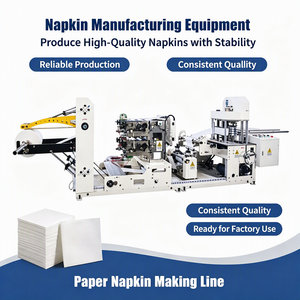
Legacy napkin folding machines relied heavily on central main shafts, mechanical cams, and complex gear trains. While reliable for low-speed operations (200–400 pcs/min), mechanical drives suffer from mechanical wear, backlashes, high noise levels, and rigid fold-size limitations. Modern high-capacity Chinese napkin machines utilize independent multi-axis motion control systems (typically Siemens or Yaskawa). Servo motors independently govern jumbo roll unwinding, tension control, flexographic printing registration, embossing cylinder nip pressure, and rotary vacuum folding heads. This electronic synchronization eliminates mechanical slack, allowing precise web tension control even when processing light tissue stock down to 13 gsm.
2. Advanced Steel-to-Steel and Steel-to-Rubber Embossing Units
Embossing serves a dual purpose: improving tissue hand-feel bulkiness and binding multi-ply paper webs together without chemical adhesives. Modern OEM manufacturers offer modular embossing sections featuring:
- Point-to-Point (P2P) Embossing: Matches male and female steel roller nodes precisely, creating micro-air pockets that enhance absorbency by up to 35% while preserving delicate softness.
- Steel-to-Rubber / Steel-to-Wool Paper: Ideal for standard restaurant 1/4 fold and 1/8 fold napkins, delivering crisp border framing and logo debossing with quick gap adjustment mechanisms.
- Pneumatic Constant Pressure Control: Replaces manual bolt clamping with digital pneumatic cylinders, ensuring uniform embossing pressure across the entire 1,200mm–2,800mm web width regardless of ambient temperature expansion.
3. Inline Precision Flexographic Printing Modules
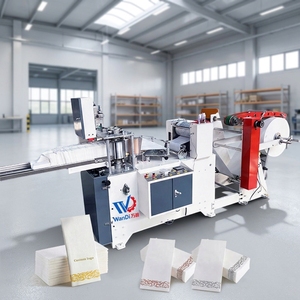
With custom-branded dining and catering napkins commanding premium market prices, integrated flexographic printing units have become standard on commercial napkin production lines. Chinese manufacturers lead in modular 1-color to 6-color flexo integration. Key technical features to verify include doctor blade chamber systems for anti-splashing at high speeds, ceramic anilox rollers (200–600 LPI) for crisp raster graphic output, and inline infrared or hot-air drying tunnels that prevent ink bleeding onto downstream folding vacuum drums.
Standard Technical Configuration Matrix: Wholesale Napkin Machinery
| Machine Parameter | Standard Commercial Grade | High-Speed Industrial Servo Line |
|---|---|---|
| Design Output Speed | 500 - 800 sheets/min | 1,200 - 2,200 sheets/min (Multi-lane) |
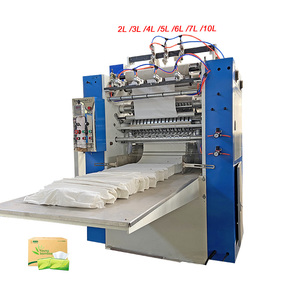
| Folding Options | 1/4 Fold, 1/8 Fold, M-Fold | 1/4, 1/8, Book Fold, V-Fold Interfold |
| Applicable Raw Paper | 14 - 28 gsm (1-ply or 2-ply) | 13 - 22 gsm Virgin / Recycled Fiber |
| Unwind Stand Diameter | Max 1,200 mm (Pneumatic loading) | Max 1,500 mm (Dual shaftless automatic connection) |
| Control Architecture | Basic PLC + Touchscreen Interface | Integrated Siemens S7-1500 PLC + Motion Servo Controller |
| Web Tension Control | Manual Mechanical Friction Brake | Closed-Loop Ultrasonic Sensor + Vector Frequency Control |
| End-of-Line Integration | Manual Packing Conveyor Output | Fully Automatic Band-Saw Slicer & Soft-Pack Flow Wrapper |
Future Global Procurement Trends (2025–2030)
Strategic buyers sourcing tissue machinery from China must align their capital expenditure with long-term macroeconomic and sustainability shifts within the global hygienic paper sector:
1. Complete Turnkey Line Automation (Raw Pulp to Pallet)
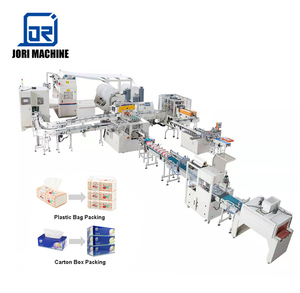
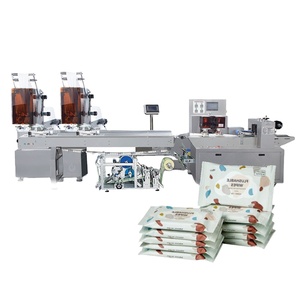
Labor shortage trends across North America, Europe, and the Middle East are accelerating demand for integrated converting-to-packaging ecosystems. Standalone napkin folding machines are increasingly replaced by continuous automated lines: Jumbo Roll Unwind → Flexo Printing → Embossing → Rotary Vacuum Folding → Servo Log Saw Cutting → Automatic Bagging/Bundling → Robotic Palletizing Cell. Sourcing complete single-source supplier turnkey lines minimizes interface conflicts between machinery vendors and simplifies factory maintenance protocol.
2. Waste Paper Recycled Fiber Adaptability
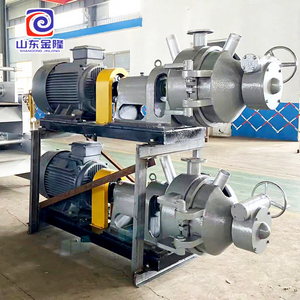
As sustainability mandates tighten globally, napkin producers are expanding usage of 100% recycled fibers, bamboo pulp, and unbleached kraft stocks. Recycled fibers exhibit higher stiffness variations, lower tensile strength, and increased dust emission. Leading Chinese machinery exporters now integrate double-disc pulp refining systems upstream and high-efficiency dust suction vacuum ducts above slitting and folding jaws to maintain pristine web cleanliness and machine reliability.
3. Energy-Efficient Heating and Vacuum Recovery Systems
Vacuum pumps used during high-speed tissue interleaving and folding consume a significant percentage of a factory's electricity budget. Next-generation Chinese napkin machines incorporate variable frequency drive (VFD) blowers and intelligent vacuum power-matching sensors that reduce overall power consumption by 22% to 30% compared to legacy constant-speed root pumps.