Industrial Tissue & Hygiene Converting Catalog
Explore our state-of-the-art automated converting machinery. Designed for high OEE, operational stability, and rapid payback across diverse tissue substrate specifications.
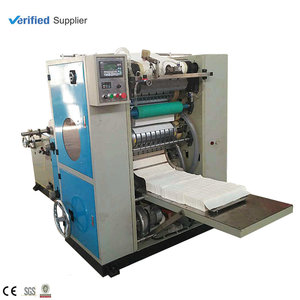
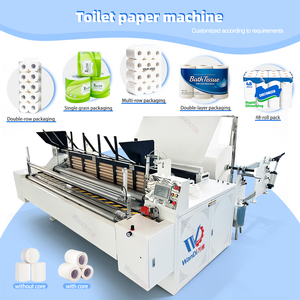
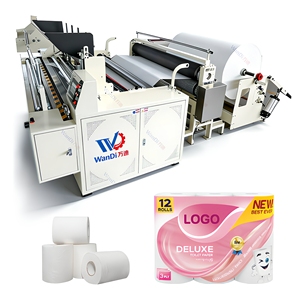
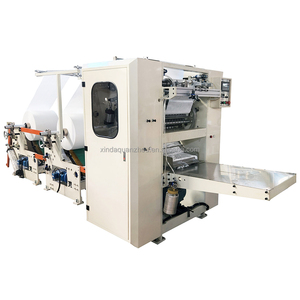
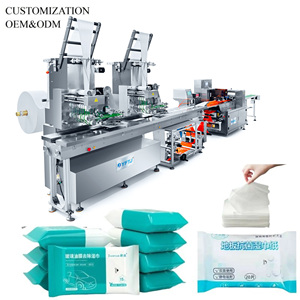
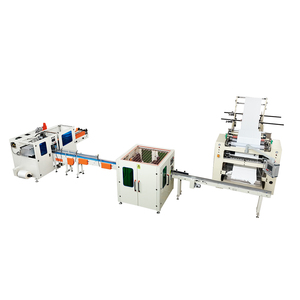
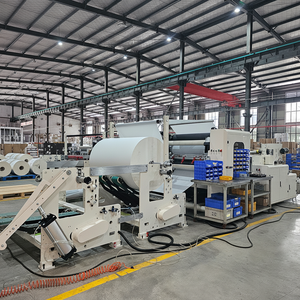
Engineering Architecture & Machinery Evolution Trends in Tissue Converting
An authoritative analysis on mechanical kinematic advancements, closed-loop servo control, vacuum folding dynamics, and sustainable substrate processing for modern high-speed converting plants.
1. The Kinematic Shift: Mechanical Drives vs. Multi-Axis Direct-Drive Servo Systems
The global tissue converting machinery landscape has undergone a paradigm shift. Traditional mechanical line-shaft drive architectures—plagued by gear friction, vibration, mechanical backlash, and high web-breakage frequencies—have been systematically replaced by digital, multi-axis direct-drive servo motion control systems.
Modern OEM/ODM converting machinery utilizes synchronized servo motors dedicated to individual slitting, embossing, rewinding, and interfolding units. By eliminating mechanical gear trains, converting plants achieve micro-second dynamic tension adjustment. This tension stability prevents sheet deformation when handling virgin pulp, bamboo fiber, or high-percentage recycled substrates down to 11 gsm per ply.
Smart Tension Control
Closed-loop ultrasonic and load-cell sensors adjust unwind brake torque dynamically, maintaining constant web strain within ±0.05 N across full coil diameter transitions.
Vacuum Interfolding Kinematics
Utilizes multi-stage vacuum airflow distributors to achieve perfect V, Z, and N fold geometry at line speeds exceeding 250 meters/minute without web fluttering.
Precision Roll Embossing
Steel-to-rubber or laser-engraved steel-to-steel cylinders engineered with micro-gap pneumatic nip adjustments, safeguarding sheet bulk while enhancing bulk softness.
Converting Platform Performance Comparison Matrix
Comparative benchmark analysis evaluating machine design tiers across key enterprise metrics: Speed, Output Stability, Changeover Speed, and OEE Efficiency.
| Machine System Classification | Converting Velocity (m/min) | Substrate Grammage Range | Format Changeover Time | Target Annual OEE Rate |
|---|---|---|---|---|
| Semi-Automatic Standalone Unit | 80 - 150 m/min | 13 - 30 gsm (1-2 Ply) | 45 - 90 Minutes | 82.5% |
| Fully Automatic High-Speed Rewinder | 180 - 280 m/min | 11 - 25 gsm (1-4 Ply) | 15 - 30 Minutes | 91.8% |
| Integrated OEM/ODM Full Production Line | 250 - 350+ m/min | 10 - 35 gsm (Multi-Fiber) | Fully Automated (<10 Min) | 96.4% Optimum |
Future Procurement & Sourcing Trends in Tissue Machinery
Strategic insights for B2B procurement managers, tissue converting plant directors, and OEM buyers preparing for next-generation manufacturing demands.
1. Modular Customization & Rapid Tooling Swaps
Procurement strategies are shifting away from rigid, single-purpose machinery toward modular OEM platforms. Global tissue brands demand converting machines capable of switching from standard 2-ply toilet rolls to jumbo commercial rolls, or from V-fold facial tissue to Z-fold hand towels with minimal downtime. Future-proof factories prioritize quick-release slitting blade shafts and cassette-style embossing rollers.
2. Energy Efficiency & Carbon Footprint Reduction
Energy consumption accounts for up to 18% of converted product operational costs. Global buyers now mandate regenerative kinetic drive braking systems that feed excess deceleration energy back into the factory grid. High-efficiency vacuum pumps and variable-frequency blower systems cut specific power consumption per ton converted by up to 25%.
3. Smart IoT Diagnostics & Industry 4.0 Integration
Next-generation converting machinery is equipped with edge-computing industrial gateways, cloud-based telemetry, and vibration signature analysis for predictive bearing monitoring. Remote firmware diagnostic capabilities allow OEM engineering support teams to resolve PLC logic anomalies remotely, reducing emergency downtime.
4. Processing Non-Wood & Recycled Fibers
With corporate ESG compliance accelerating globally, machines must process high-tensile non-wood fibers (bamboo, wheat straw, bagasse) without tearing or generate excessive dust. Advanced dust extraction hood networks and antistatic web bars are standard baseline equipment requirements.
Why Partner With Our OEM/ODM Manufacturing Facility
Decades of specialized engineering mastery, ISO 9001 certified quality control, comprehensive engineering customization, and dedicated worldwide commissioning support.
20,000 m² In-House Production
Complete control over precision CNC machining, structural frame annealing, dynamic roller balancing, and assembly in our modern manufacturing facility.
Tailored OEM/ODM Engineering
Custom line configurations engineered around your exact target finished product, web widths (1300mm to 2850mm), voltage grids (380V-480V), and space constraints.
Global Compliance & Safety
CE certified, ISO 9001 quality management, built with top-tier international electrical components (Siemens PLC, Schneider electrics, Sick sensors, SMC pneumatics).
Rigorous Pre-Shipment FAT
Every converting line undergoes 72 hours of uninterrupted continuous mechanical load testing using raw parent rolls prior to container dispatch.
Turnkey End-of-Line Integration
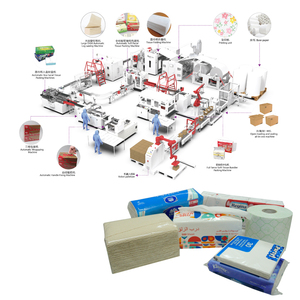
Seamless synchronization with downstream packaging machinery: soft-pack wrappers, log saws, automatic bundling machines, cartoning units, and robotic palletizers.
Life-Cycle Support & Commissioning
Multilingual field engineers deployed worldwide for installation, operator training, format part replacements, and lifetime spare parts supply.
Frequently Asked Questions for Sourcing OEM Machinery
Detailed technical and commercial answers addressing common engineering queries from international tissue buyers.
What essential technical specifications are needed to initiate a custom OEM/ODM converting machine quote?
What is the typical manufacturing lead time for standard vs. OEM customized converting lines?
How do your machines ensure operational stability when processing low-gsm or recycled tissue pulp?
Are international electrical safety certifications (CE, UL, ISO) fully documented?
What post-installation support and warranty terms do you provide for overseas tissue mills?
Ready to Elevate Your Tissue Converting Efficiency?
Consult with our senior machinery engineers today. Receive a custom OEM/ODM line layout, complete OEE calculation report, and competitive factory-direct pricing within 24 hours.
Get a Quote