Industrial Tissue Converting & Processing Machinery
Explore our high-efficiency processing systems engineered for facial tissue, napkin folding, toilet roll rewinding, and pulp refining.
Engineering Blueprint: Architectural Analysis of Industrial Tissue Converting Equipment
The global tissue paper manufacturing and packaging industry is undergoing a structural paradigm shift driven by automation, material diversification, and stringent energy efficiency mandates. Modern tissue paper processing equipment encompasses a multi-stage engineering workflow: from initial pulp refining and fiber slushing to continuous high-speed rewinding, embossing, precision folding, and integrated end-of-line packaging.
When evaluating OEM/ODM tissue machinery suppliers, line speed alone is a misleading KPI. Modern tissue mills must assess Web Tension Control Precision (±0.5N), GSM Versatility (handling 13 gsm ultra-thin virgin pulp to 42 gsm heavy recycled paper), and Embossing Nip Pressure Consistency to prevent fiber tearing and operational downtime.
1. Pulp Preparation & Stock Systems (Hydrapulpers & Refiners)
High-quality tissue paper production starts long before the converting line. Raw fiber dispersion requires high-consistency pulping machinery. Equipment such as the Continuous Hydrapulper Waste Paper Breaking Machine and Double Disc Refiner Pulp Beating System break down virgin wood pulp, bamboo pulp, or recycled furnish into a uniform slurry without damaging individual fiber length.
- Hydrapulping Dynamics: Hydraulic rotor blades operate under variable frequency drives (VFD) to achieve optimal rotor-to-screen clearance, minimizing energy consumption per ton of fiber slurry.
- Double Disc Refining: Precision micro-gap control between refiner plates refines fiber hydration, significantly improving tensile strength, bursting index, and softness parameters essential for premium facial tissue and multi-ply toilet rolls.
2. High-Speed Slitting, Perforating, and Rewinding Technology
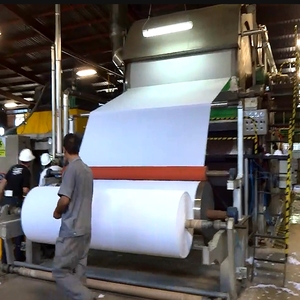
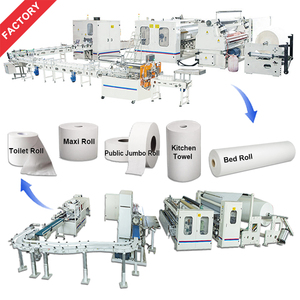
Converting jumbo parent rolls into consumer-ready toilet rolls and kitchen towels demands precise web handling. Machines like the Fully Automatic 1880 Double Set Tissue Paper Machine and Non-stop Tissue Paper Production Line employ closed-loop servo tension regulation systems.
- Helical Perforation Units: High-precision helical shear blades yield crisp, tear-friendly perforations at web speeds exceeding 230 m/min without paper dust accumulation.
- Automatic Core Pick-up & Tail Sealing: Integrated pneumatics load cardboard cores, apply eco-friendly tail glue, and trim edges cleanly, eliminating manual labor entirely.
3. Precision Folding and Embossing Engineering
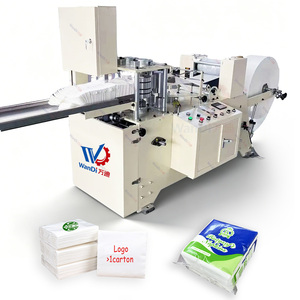
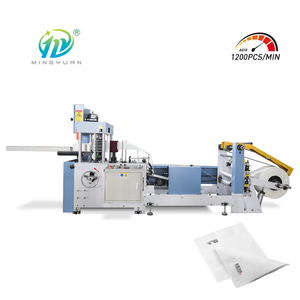
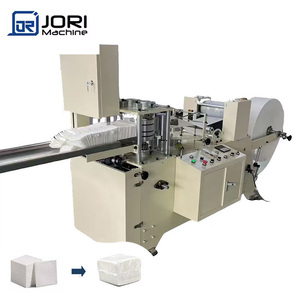
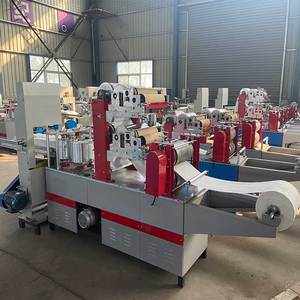
For napkin and facial tissue lines, aesthetic appeal and tactile hand-feel depend heavily on embossing and folding accuracy. The High Speed Fully Automatic Tissue Paper Napkin Machine with Embossing Folding System incorporates multi-pattern steel-to-steel or steel-to-rubber embossing rollers.
- Vacuum-Assisted Folding: Vacuum suction drums catch and interfold light-weight tissue webs smoothly, preventing static electricity buildup and misfeeds during high-speed runs.
- Custom Logo Embossing: Modular embossing units allow brand owners to interchange custom logo rollers quickly for private-label institutional clients.
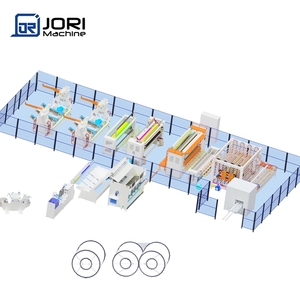
Turnkey Line Integration
Complete end-to-end machinery sync from jumbo roll unwinding stand to automatic bagging, cartoning, and robotic palletizing.
Siemens PLC Servo Architecture
Multi-axis servo synchronization ensures web registration accuracy within ±0.2mm, drastically reducing paper waste during start-stop cycles.
ISO & CE Certified Safety
Heavy-duty structural frames with CE-compliant emergency braking systems, light curtains, and protective enclosure shielding.
Future Procurement Trends in Tissue Paper Machinery (2025–2030)
Global buyers purchasing tissue paper machinery face evolving eco-regulations, fluctuating raw material costs, and changing retail consumer preferences. Sourcing directors must align equipment procurement strategies with four key industry macro-trends:
1. The Rapid Rise of Bamboo and Non-Wood Fiber Processing
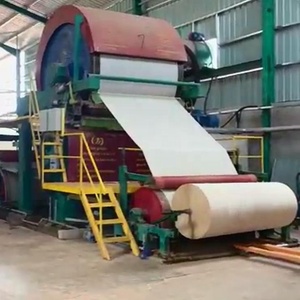
With deforestation policies tightening globally, bamboo pulp, bagasse (sugarcane residue), and straw pulp are captured as primary raw materials. Machinery like the YDF Bamboo Pulp Toilet Tissue Paper Equipment is specifically re-engineered with modified pulping rotors and specialized doctor blades to handle short, dense bamboo fibers without clogging or premature wear.
2. Transition to Non-Stop High-Speed Automatic Splicing
Traditional tissue converting required shutting down the line to change depleted parent rolls. Modern commercial facilities are standardizing on Non-Stop Unwinding Stands with Automatic Splicers. This technology cuts parent roll changeover time from 15 minutes down to zero seconds, increasing daily production yields by up to 25%.
3. Modular OEM/ODM Machine Customization
Tissue converters require versatile machinery that can adapt to shifting market demands—such as switching between single-ply institutional rolls, multi-ply embossed retail rolls, and folded eco-friendly hand towels. OEM manufacturers now provide modular machine beds where embossing units, laminating stations, and printing heads can be retrofitted on demand.
4. Energy Decarbonization & Low kWh/Ton Standards
Electrical consumption represents up to 35% of operational expenses in paper mills. Advanced direct-drive motors, regenerative braking, and optimized vacuum pumps are reducing power requirements significantly, enabling plants to meet stringent carbon reduction targets.
Next-Generation Technology Trends in Tissue Converting
Innovation in tissue paper equipment is accelerating rapidly. Here is how modern technical developments directly solve historical manufacturing pain points:
3D Micro & Macro Embossing
New nested embossing systems combine deep micro-point bonding with soft macro-patterns, boosting finished roll bulk and absorbency by up to 30% while reducing fiber weight per roll.
IoT-Enabled Predictive Maintenance
Smart sensors embedded in bearing blocks, rollers, and motors track vibration and thermal metrics in real-time, warning operators of component wear weeks before catastrophic failures occur.
Automated Robopack Integration
Direct link interfaces between converting rewinder, log saw cutter, bundle wrapping, and robotic palletizers eliminate manual touchpoints, ensuring 100% hygienic output.
OEM/ODM Manufacturing Strengths & Infrastructure
Delivering turnkey reliability, custom mechanical engineering, and worldwide technical assistance since 2011.
20,000 m² Advanced Production Facility
Equipped with heavy CNC machining centers, dynamic balancing rigs, and precision assembly bays. We build all critical machine structures in-house to maintain strict quality control.
80+ National Machinery Patents
Our dedicated R&D team continuously refines perforation geometry, rewinding stability, and energy-saving pulping systems, keeping your plant at the forefront of productivity.
Global Turnkey Export Experience
Proven installations across 100+ countries in Southeast Asia, the Middle East, Africa, Europe, and the Americas. Fully compliant with international electrical and safety standards.
24/7 Lifetime Technical Support
From custom layout CAD planning and pre-shipment factory acceptance testing (FAT) to on-site commissioning and lifetime spare parts supply, we support your operations continuously.
Frequently Asked Questions (B2B Procurement)
Answers to common technical, logistical, and commercial inquiries from tissue equipment buyers.
What essential parameters are required to generate an accurate quotation for a tissue paper production line?
Can your converting machinery process 100% bamboo pulp or sugarcane bagasse pulp?
What is the typical production delivery lead time for standard vs. customized machinery?
How do you handle overseas installation, machine testing, and operator training?
Are your machines compatible with international safety and electrical standards?
Accelerate Your Tissue Paper Production Capacity Today
Speak directly with our senior application engineers to receive custom plant layouts, technical specifications, and factory-direct OEM pricing within 24 hours.