High-Performance Facial Tissue & Converting Machinery
Explore our engineering-grade tissue production lines, interfolders, and automated packaging systems optimized for international export standards, high-tensile embossing, and low maintenance overhead.
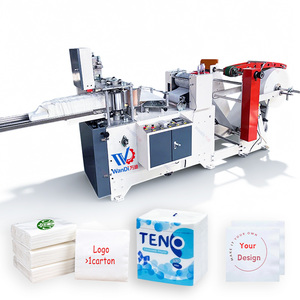
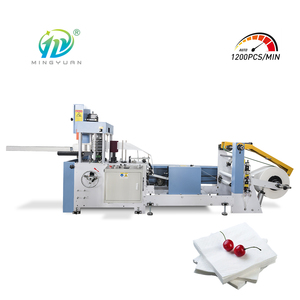
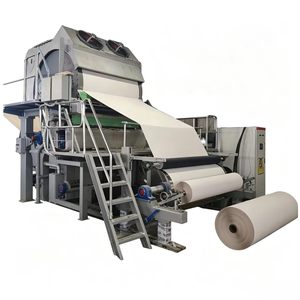
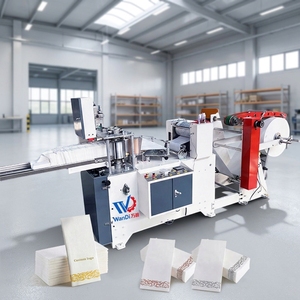
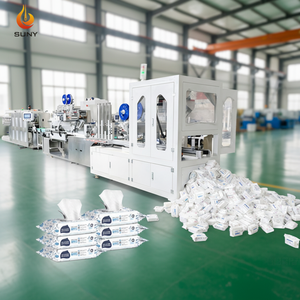
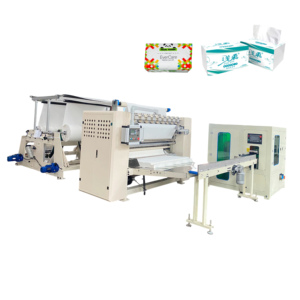
Leading China's Tissue Converting & Embossing Equipment Sector
Navigating global tissue manufacturing requires machinery that combines high mechanical tolerance, energy efficiency, and versatile embossing capabilities. China has evolved from a low-cost equipment market into the world's primary hub for advanced, servo-driven facial tissue converting and embossing machinery.
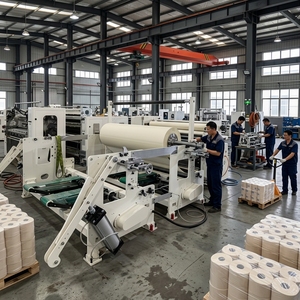
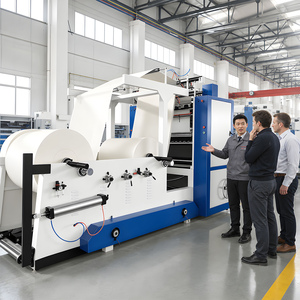
As premier exporters and wholesale manufacturing specialists founded in 2011, EuroFlow Tissue Machinery Co., Ltd. operates a 20,000 m² state-of-the-art production base equipped with high-precision CNC machining centers, dynamic balance testers, and laser engraving units. Our engineering focus centers on solving the physical challenges of paper web converting: maintaining tensile strength while maxing out sheet bulkiness, softness, and absorption through engineered embossing geometry.
Whether configuring high-speed 1,200 pcs/min interfolders or specialized point-to-point DESL embossing units, our CE and ISO-certified infrastructure ensures turnkey compliance for converters across Europe, North America, the Middle East, and Southeast Asia.
Engineering Principles of Facial Tissue Embossing Systems
Information gain breakdown: Why embossing is not merely decorative, but a mechanical process that alters fiber structures, ply cohesion, and fluid retention capacity.
Embossing Roller Metallurgical Metallurgy
High-speed embossing demands extreme surface hardness to prevent pattern degradation over millions of cycles. Superior Chinese exporters utilize forged 45# seamless steel tubes or alloy steel (42CrMo), hardened through high-frequency quenching to achieve HRC 58-62. Roll surfaces are electroplated with hard chromium (layer thickness 0.05–0.08mm) to ensure corrosion resistance against high-moisture tissue pulp fibers.
Structural Pattern Configurations
Converters must evaluate three primary embossing pairings: Steel-to-Rubber (ideal for standard facial tissue providing soft tactile touch), Steel-to-Steel (critical for crisp, high-definition geometric patterns and heavy GSM paper towels), and Steel-to-Woolen Paper/Cotton (offering dense, uniform deep embossing with minimal noise and extended roll life).
Ply-Bonding & Micro-Nesting (DESL)
Modern premium facial tissue relies on Double Embossing Self-Laminating (DESL) or Point-to-Point nesting technology. By gluing only the embossed peaks of tissue plies together via precise anilox applicator rolls, the machine creates micro-air pockets. This enhances caliper thickness (bulk) by up to 30% while retaining structural sheet strength without adding raw pulp weight.
Technical Parameter Matrix: Embossing Roll Selection Guidelines
The matrix below summarizes the engineering trade-offs when selecting embossing roller pairings for commercial converting lines:
| Embossing Type | Roller Material Pairing | Max Line Speed | Bulk Gain (%) | Tactile Softness | Target Product Application |
|---|---|---|---|---|---|
| Steel-to-Rubber | Chromium-Plated Steel / 70–85° Shore A Rubber | 220–250 m/min | 12% – 18% | High (Velvety) | Standard Boxed & Soft-Pack Facial Tissues |
| Steel-to-Steel | Matched Laser-Engraved Alloy Steel (HRC 60) | 180–200 m/min | 20% – 35% | Medium (Rigid) | Heavy Duty Napkins, Industrial Wipes, Towels |
| Nested Point-to-Point | Micro-Pin Steel / Rubber + Glue Laminator | 150–200 m/min | 25% – 40% | Very High (Plush) | Premium 3-Ply / 4-Ply Luxury Facial Tissues |
| Steel-to-Paper/Wool | Pattern Steel Roll / Compressed Cotton-Paper Roll | 200–240 m/min | 15% – 22% | High (Smooth) | Hotel Hand Towels & High-End Pocket Tissues |
Matching Machine Specifications to Operational Scale
Selecting the right China facial tissue embossing machine exporter requires auditing line speed, parent roll width capacity, and automation integration level. Below are tailored equipment recommendations based on commercial production models.
Multi-Lane Vacuum Interfolding Lines (7 to 10 Lines)
For converters serving mass retail channels, 7 to 10-line automatic interfolders (such as the Full Automatic 7 Line Facial Tissue Paper Interfolder Line) are essential. Operating with parent roll widths from 1,400mm to 2,100mm, these systems integrate double-edge pneumatic embossing units before the vacuum folding jaw.
- Output Capacity: Up to 1,200 sheets/min per lane.
- Embossing Integration: Independent pneumatic pressure adjusters for left/right web balance.
- Automation Level: Fully synchronized with online log saws and soft-pack bundle wrappers.
Compact 2-Line to 4-Line Flexible Converting Machines
Ideal for growing tissue enterprises, medium-capacity machines balance rapid SKU changeovers with modest capital expenditure. These lines handle both standard facial tissue folding and specialized napkin embossing profiles via modular cassette replacement.
- Output Capacity: 400 – 800 sheets/min.
- Embossing Integration: Quick-change steel-to-rubber rollers with heating options.
- Footprint Efficiency: Compact layout reducing floor space requirement by 35%.
Future Trends in Facial Tissue Embossing & Manufacturing
Understanding shifting consumer demands, raw material evolutions, and technological innovations shaping tissue machinery procurement for the next decade.
1. Sustainable & Non-Wood Pulp Adaptability
The global shift toward eco-friendly tissue paper has accelerated the adoption of virgin bamboo pulp, wheat straw pulp, and high-percentage recycled fibers. Non-wood fibers exhibit different tensile properties, fiber lengths, and moisture absorption rates compared to softwood virgin pulp. Leading Chinese exporters are designing specialized variable-tension embossing rollers equipped with dynamic load cells. These allow real-time micro-adjustments of nip pressure to prevent sheet tears while maintaining pattern clarity on short-fiber eco-pulps.
2. 3D High-Definition Micro-Embossing
Traditional shallow embossing patterns are increasingly replaced by 3D micro-sculpted textures. Utilizing 3D laser engraving technology directly on hardened steel rolls, machinery manufacturers can produce intricate background patterns (over 40 lines/cm) combined with prominent brand logos. This enhances brand differentiation on supermarket shelves without sacrificing soft hand-feel.
3. Full Servo Motion Control & AI Defect Vision
Legacy mechanical gear-driven interfolders are being rapidly phased out. Next-generation lines integrate 100% full-servo drive architecture (Siemens S7-1500 or Mitsubishi PLC) where each embossing roll, draw roller, and folding cylinder is independently driven by dedicated servo motors. Furthermore, integrated visual AI camera systems inspect the tissue web post-embossing in real-time, instantly detecting pinholes, web misalignment, or pattern fading due to roller wear.
4. Energy Efficiency & Noise Abatement
High-speed embossing and vacuum folding traditionally generate high noise levels (exceeding 85 dB) and substantial electrical loads. Innovations such as helical-gear drive transmission, acoustic isolation enclosures, and frequency-controlled vacuum pumps reduce energy consumption by up to 22% while bringing operation noise below 75 dB—complying strictly with European CE workplace standards.
Frequently Asked Questions for Global Procurement
Direct answers to crucial technical, commercial, and operational queries encountered during the international procurement of tissue machinery from China.
What is the typical lifespan and maintenance schedule for steel-to-rubber embossing rollers?
Can one facial tissue embossing machine handle different paper basis weights (GSM)?
What is the lead time for customized pattern engraving on embossing rollers?
How do Chinese manufacturers guarantee machine electrical compatibility for destination countries?
What pre-shipment testing (FAT) is conducted before export?
What is the difference between point-to-point and point-to-flat embossing systems?
Why Partner with EuroFlow Tissue Machinery?
A proven track record of engineering capability, export reliability, and comprehensive lifecycle support for tissue converters worldwide.
In-House Tooling & Machining
Unlike trading intermediaries, we execute turning, boring, heat treatment, laser engraving, and dynamic balancing of embossing rolls entirely inside our 20,000m² factory. This guarantees sub-micron mechanical tolerances and long-term machine stability.
Global Component Standard
To ensure seamless maintenance worldwide, our machines utilize non-proprietary, top-tier global components: Siemens PLC HMIs, NSK/SKF bearings, Schneider low-voltage electrics, Festo pneumatic systems, and Sick safety sensors available in over 100 countries.
Complete Turnkey Support
From initial factory floor layout design and web flow optimization to overseas engineer installation, operator training, and lifetime spare parts supply, we support your conversion plant from day one through line expansion.
Ready to Upgrade Your Facial Tissue Converting Line?
Consult with our senior application engineers today for tailored equipment recommendations, custom embossing roller design proofs, and direct factory pricing.