Featured Napkin & Tissue Converting Machinery
Explore our flagship automated tissue paper folding, flexographic printing, embossing, cutting, and end-of-line packaging systems engineered for global tissue converters.
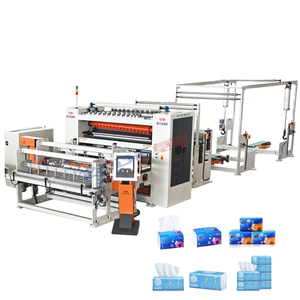
ZD-V7L Facial Tissue V Folding Machine
High-speed automatic V-folding tissue production line with vacuum absorption, precise slitting, and continuous multi-lane folding capacity.
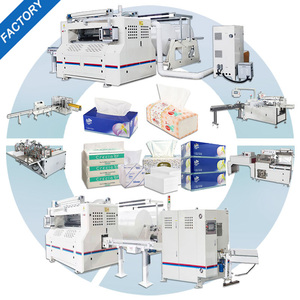
Two-Color Printing Facial Tissue Line
Fully integrated flexo 2-color printing, embossing, folding, and log-cutting system tailored for premium customized facial tissue production.
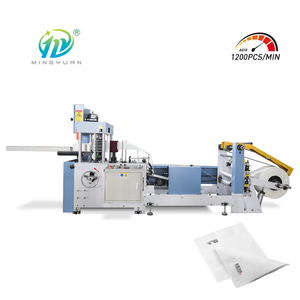
Automatic Paper Napkin & Toilet Machine
Versatile entry-to-mid scale automatic napkin and toilet paper converting machine offering ultra-reliable performance and low operating cost.
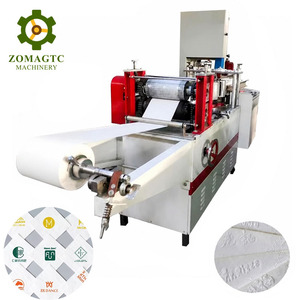
Serviette Printing & Embossing Machine
Commercial restaurant & hotel paper napkin machine featuring 1/4 or 1/8 folding, steel-to-rubber embossing, and high-precision color registry.
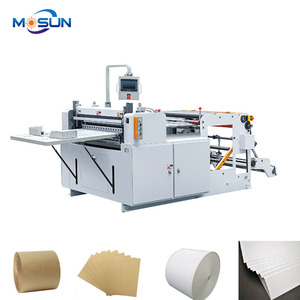
MSHQJ-1100B PLC Napkin Paper Cutter
Industrial PLC-controlled napkin paper saw cutting machine ensuring clean edges, minimal dust generation, and high throughput slitting efficiency.
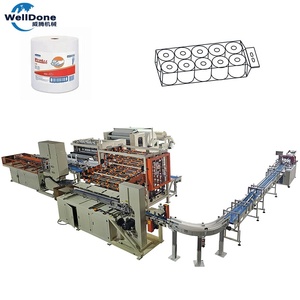
Toilet Roll Making & Packing Line
Integrated multi-pack toilet paper rewinding, slitting, wrapping, and bundling line engineered for continuous 24/7 industrial production.
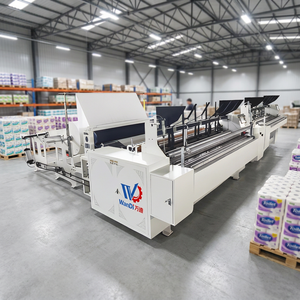
Automatic Toilet Tissue Rewinder
Compact automatic toilet paper log rewinding machine with perforation, gluing, and core-loading for start-up and scaling converters.
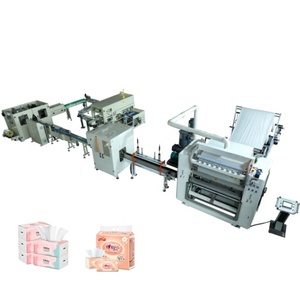
Facial Tissue Small Business Line
High-ROI entry production plant designed specifically for commercial napkin and facial tissue manufacturing startups seeking low footprint equipment.
Need Customized Napkin Folding & Packaging Engineering Specs?
Consult our senior process engineers today to receive tailored machine layouts, technical proposals, and complete TCO analysis for your plant expansion.
Inquire NowWhy Leading Global Converters Partner With Our Machinery
Selecting an OEM supplier for paper napkin machinery requires evaluating precision mechanical tolerances, long-term operational stability, and intelligent web-tension management. As an established OEM/ODM leader operating a state-of-the-art 20,000 m² manufacturing facility, our enterprise brings over 14 years of dedicated converting experience to the global market, serving buyers in more than 100 countries.
80+ Machine Patents & R&D
Driven by robust internal engineering, our continuous innovation holds over 80 patents across high-speed vacuum folding, pneumatic web handling, and modular embossing units.
CE & ISO 9001 Compliance
Every napkin and tissue line undergoes rigorous international quality control standards, ensuring full safety, electrical, and operational compliance for tier-1 markets worldwide.
Global On-Site & Remote Care
From pre-shipment testing with matching paper parent rolls to on-site mechanical installation, PLC debugging, and operator training, we ensure zero operational bottlenecks.
Whitepaper: Industrial Development Trends in Napkin Manufacturing Technology
The global tissue paper converting landscape is undergoing a structural paradigm shift. Accelerated by rising raw material costs, stringent sustainability mandates, and evolving HORECA (Hotel, Restaurant, and Catering) consumer demands, napkin production equipment is transitioning from traditional mechanical drive systems to intelligent, ultra-high-speed mechatronic platforms.
Key Technological Paradigm Shift: Modern napkin manufacturing lines are moving away from centralized mechanical drives toward multi-axis independent servo motor control. This ensures zero backlash, instantaneous fold geometry adaptation, and reduced web breakage on low-GSM recycled tissue paper.
1. High-Precision Flexographic Printing Integration
Today's commercial napkins—ranging from beverage cocktail napkins (23x23cm) to lunch (30x30cm) and dinner serviettes (40x40cm)—frequently demand multi-color branding. Advanced China napkin machines now incorporate chambered doctor blade systems and ceramic anilox rollers inside flexo printing modules. Water-based ink drying technology, combined with inline infrared (IR) or hot-air flash drying, allows high-speed printing (up to 800 to 1,000 meters per minute) without ink bleeding, ghosting, or web distortion.
2. Engineered Steel-to-Steel and Steel-to-Rubber Embossing Systems
Embossing serves a dual purpose: expanding bulk softness and locking multi-ply parent rolls together without adhesives. Contemporary napkin machines employ dynamic pneumatic pressure calibration on embossing rollers. Premium options feature micro-embossing coupled with point-to-point (nested) or point-to-flat synchronization, enabling converters to process 13–28 GSM virgin or de-inked pulp papers without tearing the web.
3. Servo-Driven Vacuum Folding Mechanisms
Traditional folding systems relied heavily on mechanical cams, which generated high noise levels and caused rapid mechanical wear at speeds exceeding 600 pieces per minute. The integration of high-flow vacuum suction cylinders managed by absolute encoder servo systems enables precise 1/4 (quarter fold), 1/8 (dispenser fold), or custom book-fold geometries at speeds up to 3,000 napkins per minute per lane. This eliminates friction-induced static buildup and paper jams.
Energy-Saving Vacuum Pumps
Variable frequency drive (VFD) blowers adjust air suction dynamically based on real-time paper weight, reducing power consumption by up to 30% compared to fixed-speed vacuum units.
Ultrasonic Edge Sealing
Eliminates glue applicators for multi-ply napkins by bonding edges ultrasonically, cutting chemical consumable costs and maintaining total eco-biodegradability.
Inline Vision Quality Inspection
High-resolution optical cameras detect print misalignments, spot contamination, and folding defects in real time, automatically rejecting sub-standard packs at full production speeds.
Future Sourcing & Procurement Trends for International Machinery Buyers
When purchasing paper napkin machines from China, global procurement teams are shifting focus from initial capital expenditure (CAPEX) to holistic Total Cost of Ownership (TCO) and Overall Equipment Effectiveness (OEE) metrics. Below are key technical considerations when structuring strategic equipment acquisitions:
A. Modular Expansion Capabilities
Forward-thinking converters prioritize modular machinery frames. Buying an expandable platform enables factories to add an extra flexo printing station, upgrade from steel-to-rubber to steel-to-steel embossing, or integrate automatic transfer units into automated flow wrappers without scrapping the primary folding unit.
B. Raw Material Flexibility (GSM & Fiber Mix)
Fluctuations in global pulp prices require converting machinery capable of handling diverse raw materials seamlessly. High-efficiency napkin machines must maintain stable web tension whether processing 100% virgin bamboo pulp, sugarcane bagasse, or 100% recycled tissue tissue within a GSM range of 13 to 30 g/m².
C. Automation & End-of-Line Integration
Standalone napkin folders requiring manual packing create significant labor bottlenecks and risk product contamination. Modern procurement specifications dictate fully automated production lines: connecting the napkin folding unit directly to automatic log saws or rotary knives, followed by automatic flow wrapping, bundle packing, and robotic palletizing cells.
| Technical Metric | Legacy Mechanical Napkin Folder | Next-Gen Servo Automatic Line |
|---|---|---|
| Max Line Speed | 400 - 800 pcs/min | Up to 3,200 pcs/min (Multi-lane) |
| Drive Mechanism | Central Gear / Chain Transmission | Multi-Axis Independent Servo Drive |
| Fold Format Changeover | Manual Mechanical Adjustments (3-6 hrs) | HMI Touch Screen Presets (< 30 mins) |
| Web Tension Control | Manual Friction Brake | Pneumatic Closed-Loop Load Cell Servo |
Frequently Asked Questions (FAQ) for Sourcing Napkin Machines
Detailed technical answers to common questions asked by tissue paper plant managers and international buyers.
What parameters are required to generate an accurate machinery quotation?
- Unfolded napkin dimensions (e.g., 230x230mm, 300x300mm, 400x400mm) and target folding style (1/4 fold, 1/8 dispenser fold, or N-fold).
- Target production capacity (e.g., pieces per minute or tons per 8-hour shift).
- Number of flexographic printing colors required (1-color, 2-color, or 4-color).
- Paper tissue specifications: GSM range (typically 13–28 g/m² per ply) and ply count (1-ply, 2-ply, or 3-ply).
- Desired level of automation: standalone napkin machine vs. fully automated production line connected to flow wrapping or bundling machines.
Can one napkin machine handle multiple folding dimensions and styles?
What is the standard manufacturing lead time and quality assurance process?
How do you adapt the machinery electrical systems to destination country standards?
What after-sales service and installation support are provided?
- Remote AR visual guidance and 24/7 technical hotline for immediate troubleshooting.
- On-site dispatch of experienced mechanical and software engineers for installation, line integration, and operator training.
- Complete operational manuals, electrical schematics, and wear-parts lists shipped with the machine.
- Express worldwide dispatch of original spare parts and replacement embossing cylinders.
Ready to Scale Your Tissue Manufacturing Capacity?
Connect directly with our engineering department to review machine specifications, calculate line ROI, or request a live video demonstration of our napkin machines in operation.
Inquire Now