Featured Tissue Manufacturing & Processing Machinery
Precision-engineered converting equipment, pulping refiners, and automated packaging systems engineered for global compliance and demanding Nordic operating standards.
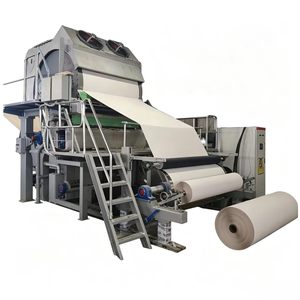
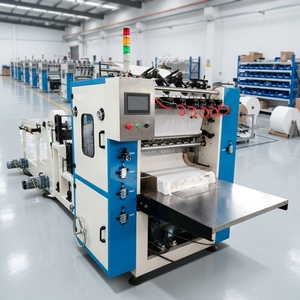
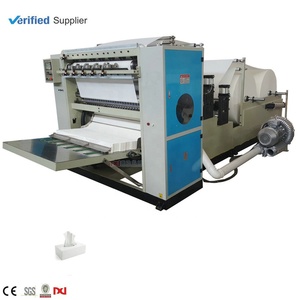
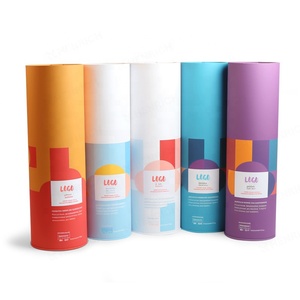

1. The Strategic Dynamics of Tissue Manufacturing in the Malmö & Skåne Region
The Southern Swedish province of Skåne, anchored by the port city of Malmö, represents a critical crossroads for the Northern European forestry and paper converting industry. Positioned at the apex of the Øresund Bridge connecting Sweden to Denmark and continental Europe, Malmö operates as a primary logistics hub for bulk tissue jumbo roll importation, recycled fiber repulping, and high-speed commercial tissue converting. As the European market accelerates toward zero-fossil energy usage and stringent circular economy directives, paper tissue converters in Malmö face dual pressures: optimizing thermal energy consumption per ton of paper produced while meeting stringent Nordic Swan Ecolabel standards for softness, tensile strength, and recycled content.
Modern tissue manufacturing equipment exported to the Malmö market must balance raw pulp adaptability—ranging from virgin Northern Bleached Softwood Kraft (NBSK) to 100% deinked recycled paper pulps—with mechanical efficiency. As electricity pricing in Sweden’s SE4 bidding area fluctuates, deploying energy-optimized Crescent Former tissue machines and high-consistency double disc pulping refiners has shifted from a competitive advantage to a fundamental operational imperative.
Technical Architecture of Crescent Former vs. Fourdrinier Machinery
In high-throughput tissue production, web forming geometry dictates final bulk, absorption capacity, and fiber orientation ratio (MD/CD ratio). In the Malmö market, where commercial Away-From-Home (AFH) hand towels and premium multi-ply consumer toilet rolls dominate local demand, converters utilize two main machinery architectures:
Crescent Former High-Speed Systems
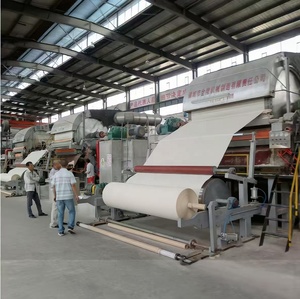
Utilizes a single felt and forming wire wrapped around a central forming roll. Stock slurry enters the nip via a pressurized hydraulic headbox at consistencies of 0.15% to 0.22%. Dewatering occurs rapidly through centrifugal force, delivering operating speeds up to 1,500 m/min with uniform sheet formation ideal for light-grammage facial tissues (13–18 gsm per ply).
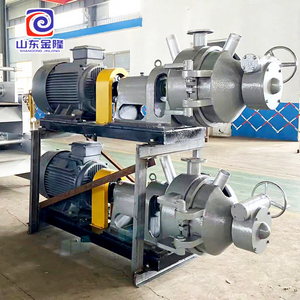
Double Disc Refining & Waste Paper Lines
Engineered for high-yield recycled fiber processing. Features adjustable hydraulic disc gaps (precision within 0.01 mm) that shorten and fibrillate recovered paper fibers without excessive micro-cutting. Crucial for Malmö mills sourcing local post-consumer waste paper to maintain burst index and absorbency.
2. Engineering Deep Dive: Deinking, Refining, and Converting Automation
Achieving structural tensile uniformity and velvet tactile softness in finished tissue rolls requires a seamless engineering chain from wet-end fiber preparation down to automated end-of-line bundle wrapping. Machinery suppliers catering to Skåne’s industrial tissue sectors integrate sophisticated Siemens/AB PLC architectures, multi-axis servo drives, and real-time closed-loop moisture sensors across the entire production sequence.
A. Stock Preparation & Recycled Fiber Refining
In waste-paper recycled tissue lines, raw furnish undergoes high-consistency hydrapulping followed by multi-stage centrifugal de-stoning and flotation deinking. The pulp slurry enters the Double Disc Refiner at 3.5%–4.5% consistency. By applying controlled specific edge load (SEL), the refiner defibrillates secondary fibers, exposing hydroxyl groups for hydrogen bonding during sheet formation. This allows Malmö manufacturers to maximize recycled fiber percentages without compromising paper machine runnability or sheet softness.
B. Machine Drive PLC Synchronization & Thermal Balance
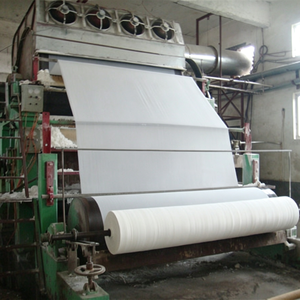
The primary dry end of a 60 Tons/Day tissue paper machine features a precision-machined alloy or cast-iron Yankee Dryer cylinder (typically 3,000 mm to 3,660 mm in diameter) coupled with a high-velocity insulated hood. Natural gas or biomass-heated air is blasted at velocities exceeding 100 m/s against the wet sheet while internal steam pressure (0.5–0.8 MPa) evaporates residual moisture. Creping doctor blades then micro-crepe the sheet off the dryer face, imparting bulk, stretchability, and liquid absorption capacity.
| Machinery Model / Parameter | Production Capacity | Operating Speed | Suitable Raw Material | Power & Thermal Consumption |
|---|---|---|---|---|
| High Speed Crescent Former Line | 50 – 60 Tons / Day | 800 – 1500 m/min | Virgin NBSK / BHKP Pulp | Steam: 1.8–2.2 t/t paper; Power: 650–800 kWh/t |
| Recycled Pulp Deinking Line | 30 – 50 Tons / Day | 400 – 700 m/min | Sorted Office Waste / OCC / Deinked Stock | Water consumption recycled: < 10 m³/t |
| Automatic Facial Tissue Line (ZD-C25) | Up to 25 logs/min | 120 – 180 m/min (Converting) | Jumbo Tissue Rolls (13–20 gsm) | Installed Electrical Power: 18 – 27 kW |
| Single Toilet Roll Wrapper (TP-R220) | Up to 200 packs/min | Continuous Rotary Servo Drive | Coreless / Cored Bathroom Rolls | Power: 15.2 kW (Configured for 400V 50Hz) |
3. Localized Application Scenarios Across the Malmö & Nordic Ecosystems
Tissue paper converting equipment installed in Southern Sweden must accommodate distinct regional market specifications. Distributors supplying Malmö's municipal facilities, hospitality sectors, and healthcare providers order specific converting machinery configurations tailored to end-user needs:
Commercial AFH & Hand Towel Lines
Malmö's expanding logistics terminals along the E6/E20 corridors generate high demand for Z-fold, V-fold, and C-fold absorbent hand towels. Automatic folding machines equipped with steel-to-rubber or steel-to-steel embossing units impart decorative patterns while creating air pockets that increase liquid retention rate.
Retail Soft-Pack & Luxury Toilet Tissue
Scandinavian retail chains require ultra-soft, multi-ply (3-ply and 4-ply) bathroom rolls and compact soft-pack facial tissues. High-speed rewinding machinery with lamination units applies eco-friendly starch adhesives between plies to ensure structural integrity without causing harsh stiffness.
4. Key Localized Trends Shaping Sweden’s Tissue Machinery Sector
Procurement teams and factory managers in Malmö are prioritizing four primary technological trends when evaluating machinery manufacturers and foreign exporters:
- Fossil-Free Energy Integration: Converting plants are replacing legacy gas burner hoods with high-efficiency electric infrared dryers or steam boilers fed by Sweden's clean hydroelectric and wind-dominated electrical grid.
- Zero Plastic Packaging Transition: End-of-line bundlers and single-roll wrappers are moving from polyethylene (PE) films toward 100% recyclable kraft paper wrapping materials, requiring precise sealing temperature controls on wrapping equipment.
- Water Closed-Loop Circuitry: Wet-end paper making machinery must operate under strict closed-water loops, reducing freshwater intake to below 10 cubic meters per ton of dry paper produced.
- Collaborative Robotics (Cobots) for Palletizing: To counter high regional manual labor costs in Malmö industrial zones like Fosie and Arlöv, factories are integrating compact cobot arms (such as the RP-10 series) to stack cartons and bundle bags onto Euro-pallets automatically.
5. Enterprise Manufacturer Advantages & Global Compliance
As a leading exporter of paper converting and tissue packaging machinery, EuroFlow Tissue Machinery delivers comprehensive engineering solutions tailored specifically for international buyers. Operating from a modern 20,000 square-meter production complex, our team combines rigorous precision machining with field-proven industrial automation.
CE & ISO Certification
Fully compliant with European Machinery Directive 2006/42/EC, Low Voltage Directive, and ISO 9001 quality management benchmarks.
80+ Machinery Patents
In-house mechanical engineering team constantly innovating high-speed folding mechanisms, servo drive controls, and energy-saving pulping units.
Global Service Network
Over 1,000 successful line installations across 100+ countries, backed by remote PLC diagnostic support and overseas engineer dispatch.
6. Frequently Asked Questions (FAQ) for Malmö Tissue Machine Buyers
Are your tissue machines configured for Sweden's electrical standard (400V / 50Hz 3-Phase)?
What is the typical shipping lead time to the Port of Malmö (CMP)?
Can your equipment run 100% recycled waste paper pulp under Nordic Swan rules?
How do you handle machine commissioning and operator training in Sweden?
What technical details are needed to request an accurate quotation?
Request a Custom Engineering Proposal & Quotation
Planning to establish or expand a tissue paper manufacturing plant in Malmö or the Skåne region? Contact our application engineering team today to receive detailed machine layouts, energy balance calculations, and competitive FOB/CIF quotation pricing.